diagram, engineering drawing

Setting the New Pump Testing Standard

The pump industry faces a challenge in keeping up with changing efficiency regulations. Programs such as the Hydraulic Institute (HI) Pump Test Lab Approval (PTLA) are helping companies adhere to these standards. Here, we see how Hydro, Inc. made history with the first HI PTLA certification.

Written by: Michelle Segrest
Publisher: World Pumps / June 2016


With an engineering first approach, Chicago’s Hydro, Inc., proves the impact of redesigned and engineered pumps by testing their real-time hydraulic and mechanical performance at its state-of-the-art Test Lab. It is in the 46,000-square-foot- facility that Hydro develops and implements engineering modifications for improving the performance of critical pumps and then verifies that performance in the lab.

Thanks to high-quality capabilities in testing vertical, horizontal, and submersible pumps, Hydro made history in September 2015 by becoming the first recipient of full certification of the new Hydraulic Institute Pump Test Lab Approval program.

This new industry standard is designed to assist pump OEMs and other pump test laboratories to improve their current laboratory procedures and policies by working with a third-party auditor to develop and maintain accurate, uniform and repeatable pump testing protocols. The program also helps participating organizations adhere to the requirements of the international test laboratory accreditation standard (ISO 17025) concerning test measurement equipment.

“Hydro’s test lab is unique because it was designed to support the aftermarket by having the flexibility to test a wide range and variety of custom engineered pumps,” said George Harris, Hydro CEO and Founder. “Since it is not incorporated in a plant which manufactures new pump production, as is the case with many large OEMs, it is possible to test a customer’s pump in 1-to-3 weeks lead time. This is very important because customers who need a certified test, need the pump tested quickly.”

Since it opened in 2010, Hydro’s 5,000-Horsepower Test Lab has helped to troubleshoot problems with pumps in the field by isolating the pump from its system in a controlled environment to simulate field conditions in a safe manner.

“Hydro remains independent of the constraints that can be imposed by relying on existing hydraulic designs and manufacturers’ predicted performance curves,” said Jeff Johnson, Vice President, Hydro, Inc., a 41-year industry veteran who was instrumental in the design and construction of Hydro’s Test Lab. “All of these efforts ultimately lead to a more reliable and well understood pump performance.”
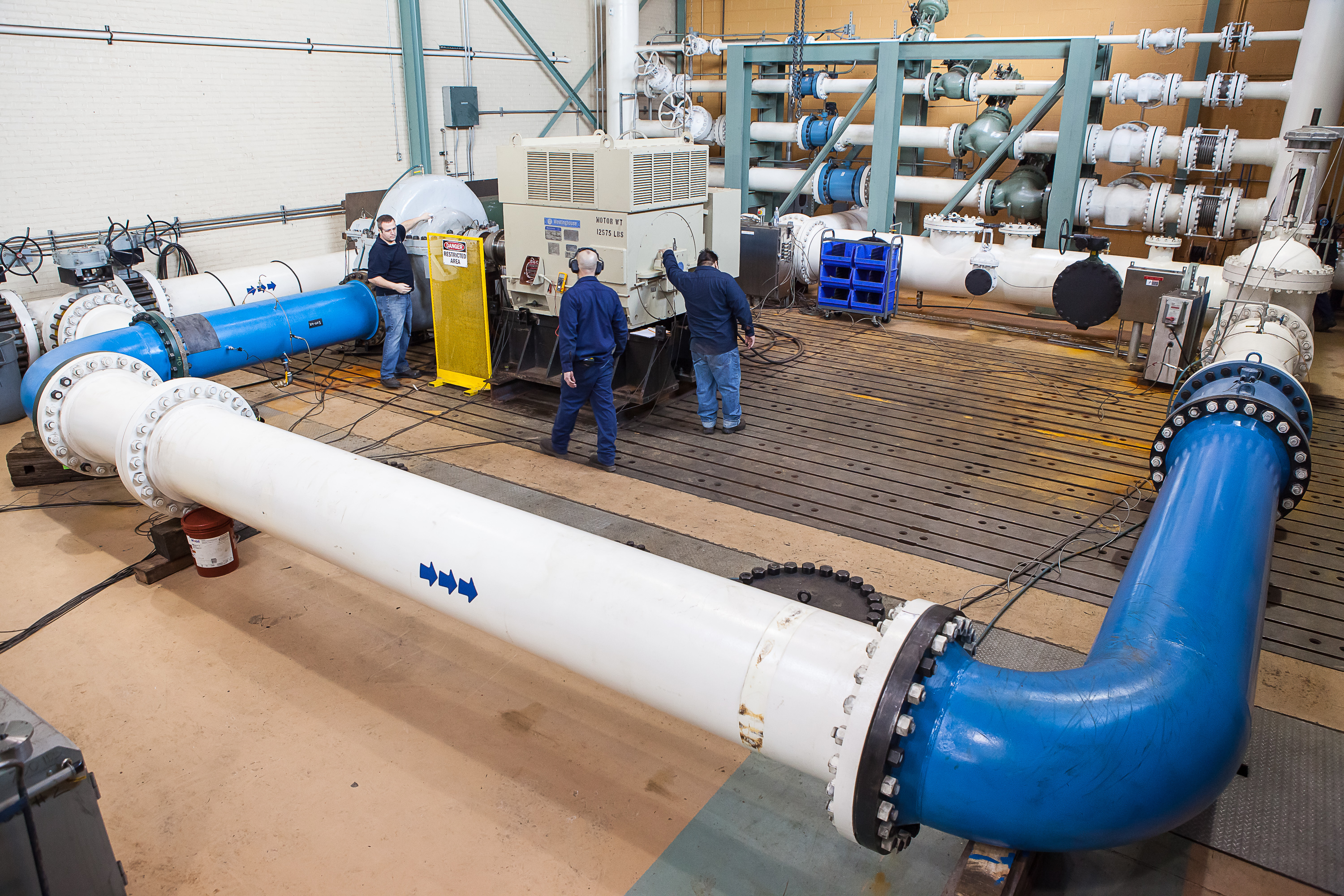
fig-258

Single-stage horizontal split case (BB1) pump test with customer motor – test loop.

Continue reading

Shortcuts Can Lead to Disastrous Outcomes

Design flaws cause catastrophic failure in a geothermal power station hotwell in New Zealand.

Written by: Chandra Verma (Hydro, Inc.)
Publisher: Pumps & Systems / August 2016


Despite well-documented pump system standards and basic requirements, omission of certain crucial design steps remains a problem in the industry, often causing disastrous outcomes for the end user. When suppliers, manufacturers and/or contractors take shortcuts, technical and commercial risk can present serious ramifications for a large project.Communication failures between the end user’s staff, suppliers and contractors can intensify problems, especially when pumps that may not be appropriate for a given job are commissioned and put into service. Without the end user’s knowledge, a facility may install pumps that have not been properly tested for the application, were fabricated to inferior standards or subject to other shortcuts that adversely affect performance.Sometimes the end user becomes aware of shortcut-derived flaws during the commissioning stage. Other times, problems in equipment or system design might not be evident immediately—they surface during subsequent plant and equipment maintenance that reveals potentially dangerous, hidden conditions. The ensuing problems can lead to tense project politics and expensive rectification, including hiring independent consultants.

Suppliers, manufacturers and contractors take shortcuts for various reasons. These shortcuts can be attributed to a lack of experience with how a pump might be deployed in the field. There may be miscommunication of technical details from both the user and supplier or between the user and contractor.

Budget constraints and concerns can also result in omissions; commercial reality can cause a manufacturer or supplier to make a project’s bottom line cheaper by reducing the cost of equipment and cutting corners.

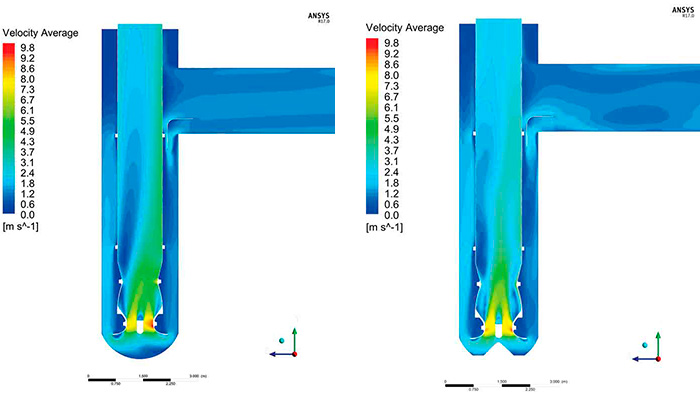
fig-5d-aandb-velocity-dist

Figure 1. The velocity distribution of the original (left) and modified geometries (right)

Continue reading

How Root-Cause Analysis Solved a Vertical Turbine Pump Failure

A comprehensive approach to reverse engineering helped to establish the differences between the stainless steel and original bronze impellers.

Written by:  Hydro, Inc.
Publisher: Pumps & Systems / March 2016


When a severe pump failure involving one of three installed circulating water makeup pumps happened, facility personnel grew concerned about the root cause. The subject pump failed just 40 days after its commissioning.
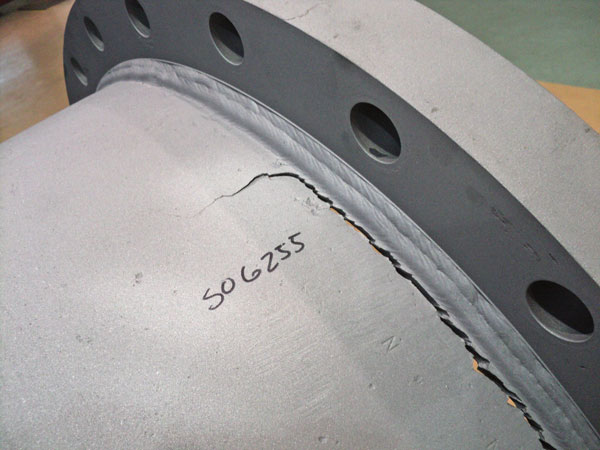
3-b-page-1-fig-a-right

Image 1. A crack in the discharge head flange that involved fatigue failure of the weld of a pump.

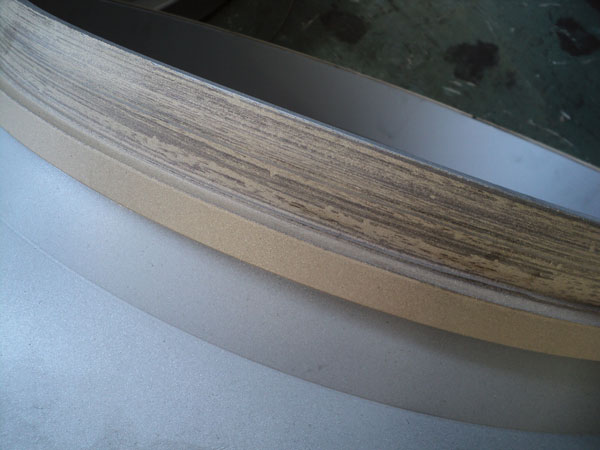
7-d-page-1-fig-b

Image 2 (right). The pump’s impeller wear ring landing shows heavy scoring.

The equipment in question consisted of three-stage vertical turbine pumps running either in standalone or in parallel operation as required. The failure manifested itself through high vibration and caused severe scoring of the pump shaft and wear ring landings, leading to fatigue failure of the weld on the discharge head flange (see Images 1 and 2). The commissioned pump was refurbished and rebuilt by another company’s service center with spare impellers supplied by an original equipment manufacturer. No changes to the geometry had reportedly been made, although the impeller material had been upgraded from bronze to stainless steel.

The plant initiated its internal root-cause analysis process, and the failed pump required emergency repair. The station sought a company to conduct the repair, and the firm reviewed the customer-supplied documents and background providing the possible causes of the failure. Continue reading

Advanced Engineering Boosts Reliability in Boiler Feed Pump

This approach incorporated reverse engineering, design verification and casting simulation to address equipment failure.

Written by: Dr. Gary Dyson and Jesse Stinson (Hydro, Inc.)
Publisher: Pumps & Systems / December 2015


Pump technology requires the extensive use of castings to form the complex shapes needed to guide process fluids through the machine. The shape of these passages is crucial to the machine’s performance.

Pump designers spend extensive time designing and optimizing the shapes of these passages to optimize the machine’s efficiency. Unfortunately, casting processes cannot always represent the pump engineer’s true design intent, and the manufacturing processes have a direct impact on the machine’s reliability and design integrity. Designers take these processes into account when proposing their designs, but sometimes the deficiencies of the casting process become apparent after a major equipment failure.

One example involved determining the root cause behind the first-stage failure of a Worthington 12-WCND-166 six-stage boiler feed pump. The pump exhibited high vibration and performance degradation, and it was taken out of service. The inspection determined that a crack had resulted from a welded core plug. Continue reading

Close Inspection Solves High Thrust Bearing Temperature Problem

Careful analysis identified the issue with this multistage, oil transfer pump.

Written by: Gary Dyson (Hydro, Inc.)
Publisher: Pumps & Systems / August 2014


A multistage BB5 diffuser machine in oil transfer service in the Middle East had been in operation for many years without problems. After a routine maintenance strip down and rebuild, the pump experienced a high thrust bearing temperature of 105 C, which caused it to alarm and shut down. The temperature range had previously been 75 C to 85 C.

This case study describes the method used to solve the high bearing temperature problem and outlines the flow physics that contributed to the high thrust bearing temperature. The customer contacted an engineering services company after the original pump manufacturer failed to remedy the problem.

The company’s forensic approach to this problem involved two distinct methodologies:

  • Diligent and in-depth analysis of site data relating to 
the problem
  • Rigorous scrutiny and analysis of the pump geometry and build against the background

The engineering services company identified several scenarios that could cause this temperature rise, then narrowed down the list to establish a root cause.

Site Data Analysis

The behavior of thrust bearing pads during startup is seldom investigated. The temperature rise of the pads can be attributed to two distinct causes—thrust developed during startup and environmental and oil conditions (see Figure 1).

thrust-bearing-pad-behavior

Figure 1. Behavior of thrust bearing pads based on thrust and environmental conditions (Article images and graphics courtesy of Hydro Inc.)

The significant finding from this data was the temperature rise associated with thrust. The pump could not achieve the temperatures measured prior to maintenance in its current condition. The total thrust bearing temperature includes the oil temperature and environmental conditions.

Based on comparisons with previous site data, both the thrust and oil cooling had altered. Analysis of the temperature data at the motor bearings, which were experiencing oil temperature increases of 10 to 15 C, further supported the conclusion. Continue reading