
 A municipal water treatment plant recently had one of their service water pumps refurbished. The refurbished pump is a single-stage, bottom suction BB1 (between bearing) pump with a double suction impeller. In order to validate the performance of the pump, the plant requested testing services from the Hydro Performance Test Lab. The testing services included a Hydraulic Institute certified performance test, a Net Positive Suction Head (NPSH) test, and a bearing housing vibration test. Continue reading

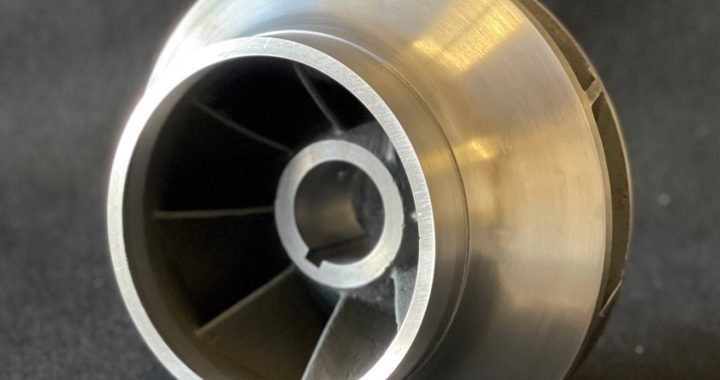
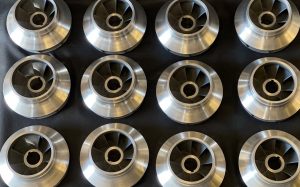 State of the Art Parts: Hydro Parts Solutions recently supplied a new impeller as part of a project to improve the operation of a pump that was not performing per the OEM curve. The first step in the process was reverse-engineering the used sample impellers. The reverse-engineered model was used by Hydro’s Global Engineering team to perform a computational fluid dynamics (CFD) analysis to determine the best possible hydraulic design for the plant’s expected operating range.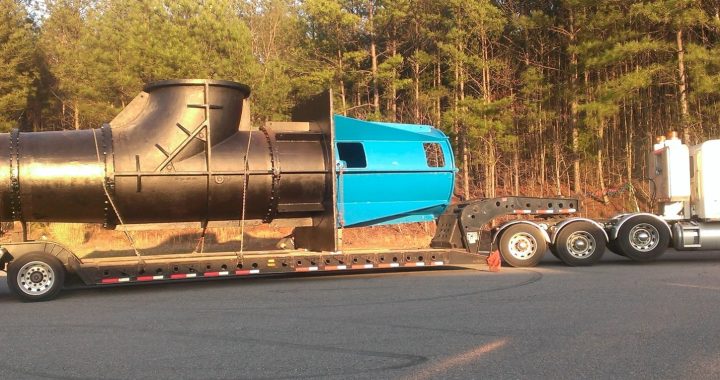
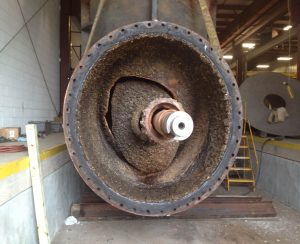 A critical vertical pump for a 750 MW unit was sent to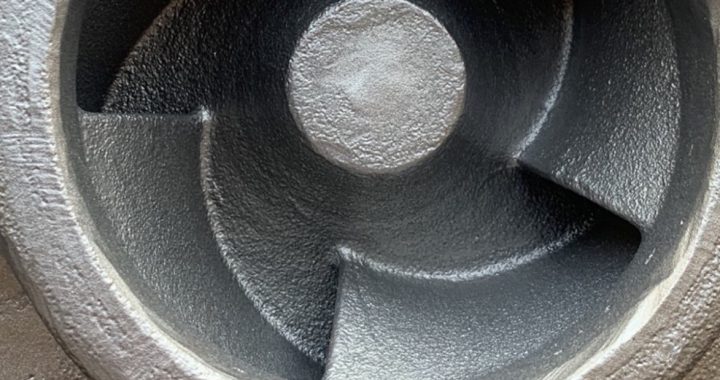
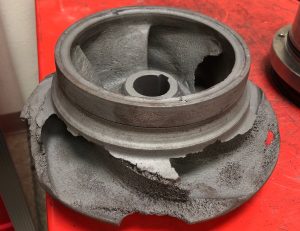
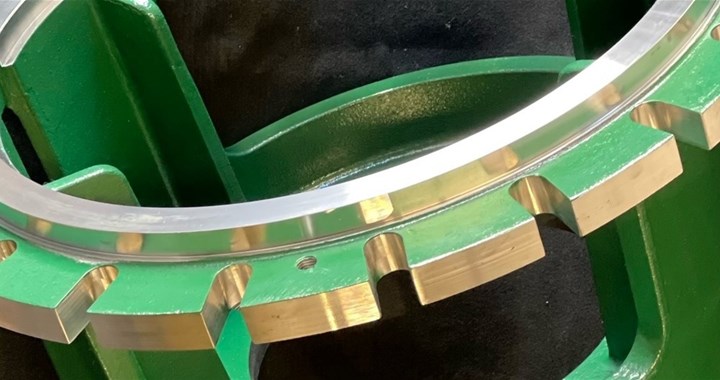
 The OEM had provided a minimum delivery time of 10-12 weeks for both parts. Because these parts were necessary for the equipment to be returned to service, the customer sought out a qualified vendor who could provide the components in a shorter turnaround time. Hydro Parts Solutions was able to offer a 5-6 week delivery.