Improving performance and life isn’t always about making big changes to design and operation. Small improvements to the standards and processes that are used during refurbishment and assembly can result in outsized benefits.
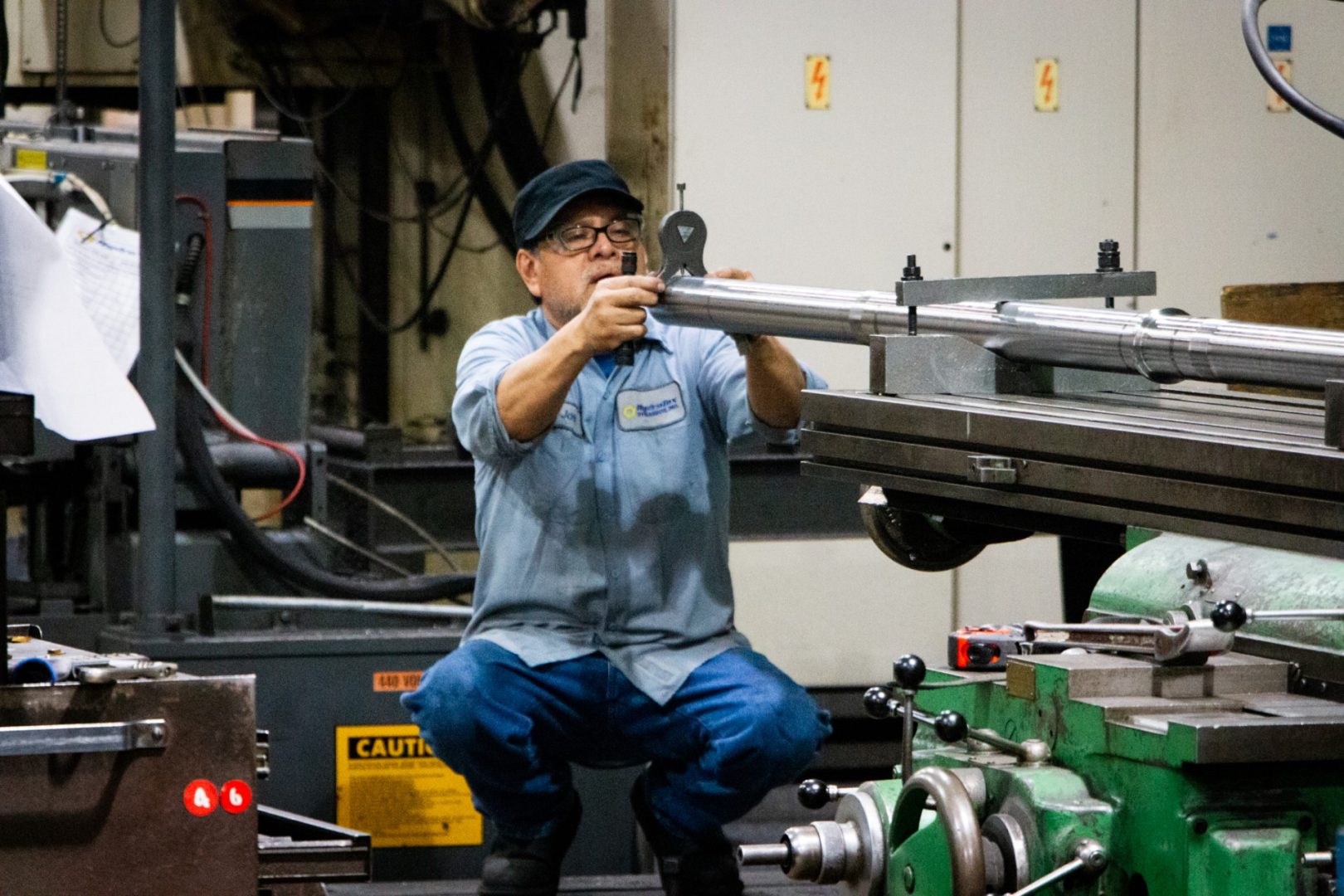 Hydro specifies machining and fit-up tolerances that often exceed the required industry standards and are best-in-class for the pump industry. Taking the extra time to meet more stringent tolerances ensures better concentricity and parallelism of critical components, reducing the risk of contact between the rotating and stationary elements during operation. Reducing component contact will result in reduced vibration and reduce the rate of wear for close clearance components. Maintaining design clearances greatly contributes to longer mean-time-between-repairs by providing greater stiffness and damping to the rotating assembly and reducing internal recirculation, which in turn affects performance and efficiency. To learn more about the importance of maintaining design clearances, read our Hydro Learning Hub white paper on the subject.
Another improvement that is standard at Hydro for repairs of multistage barrel (BB5) pumps is a dimensional analysis to identify relative centerlines of all impellers to their respective diffusers. This process and the resulting actions to ensure centerline compatibility at each stage are essential in prolonging equipment life and counteracting latent failure mechanisms.
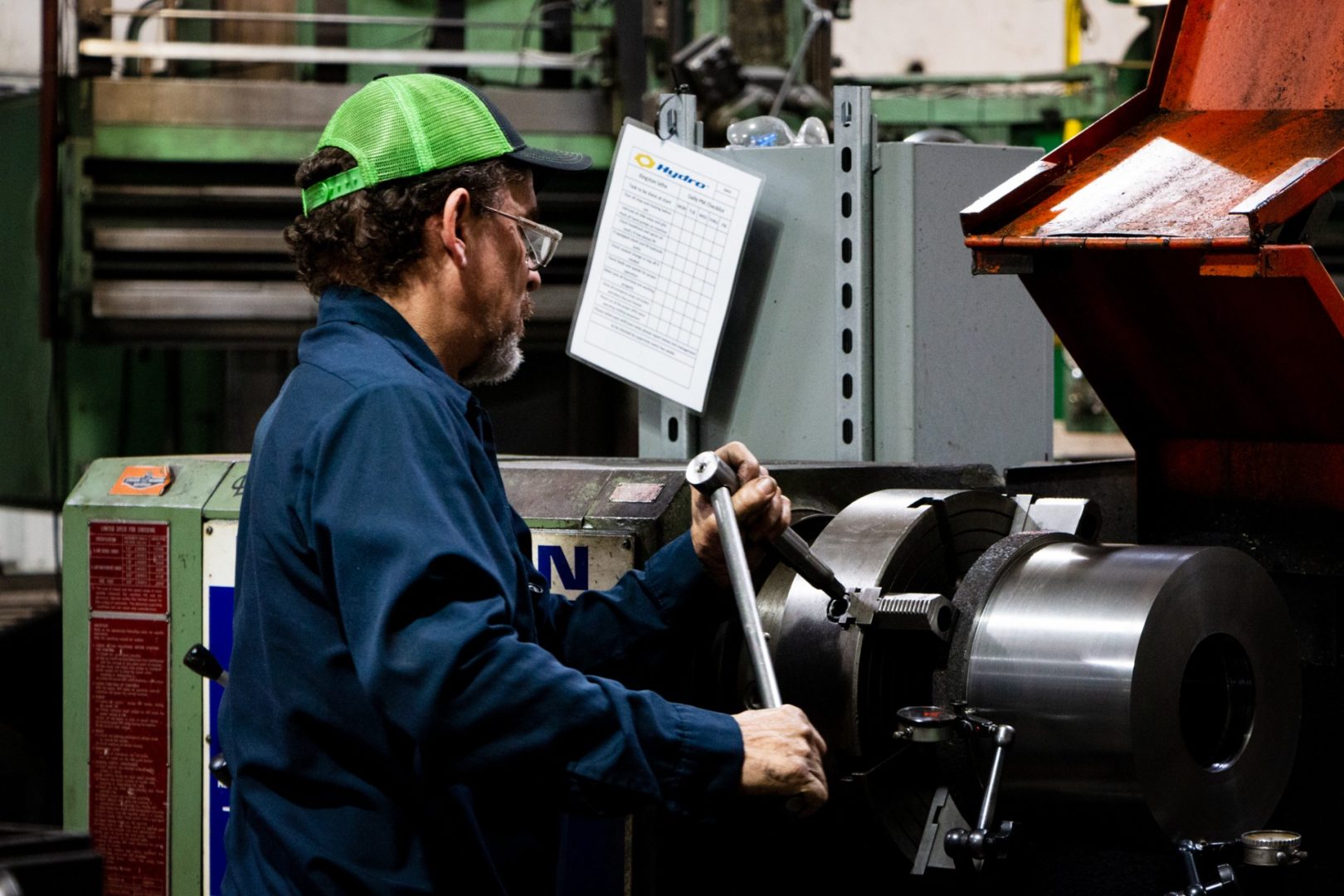
By adhering to stricter tolerances, requiring robust process documentation, and never cutting corners, Hydro’s rebuild process results in greater reliability and increased mean-time-between-repairs. This level of quality ensures a safer work environment for our end user customers, reduces waste by decreasing the frequency of maintenance cycles, and lowers overall cost of ownership.
Learn more about the importance of axial centerline compatibility in multi-stage pumps in this case study.
Find your local Hydro Service Center and ensure high quality equipment rebuilds.
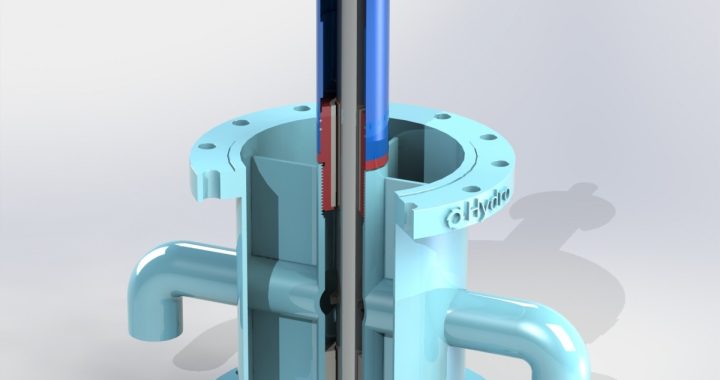
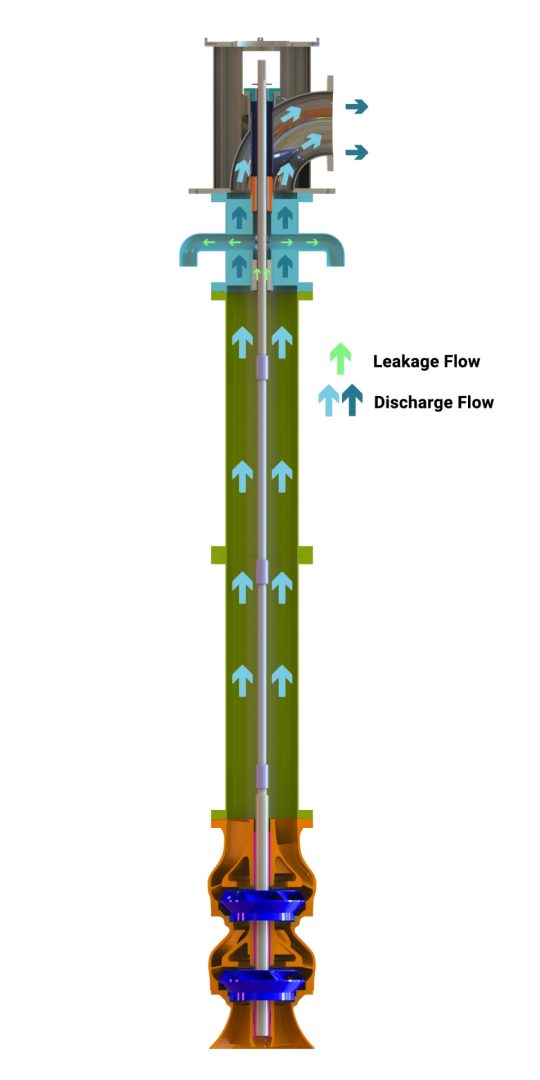
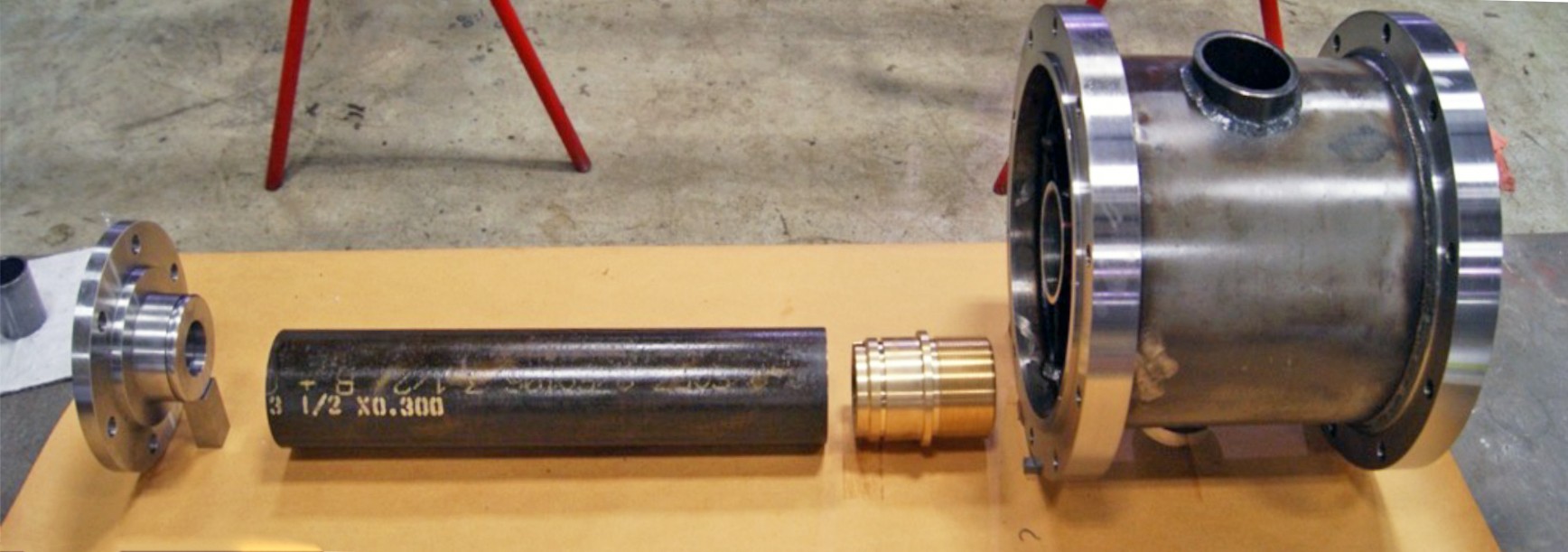
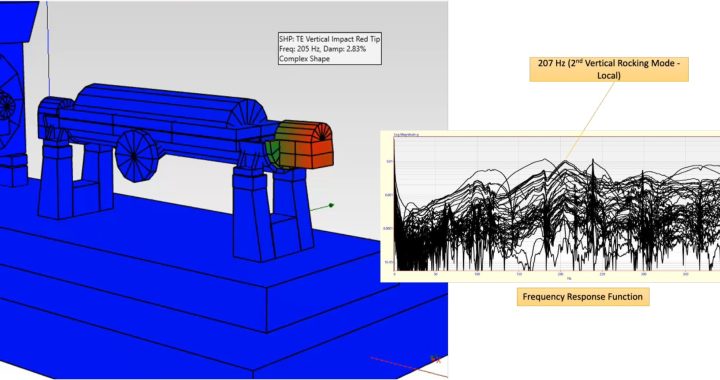
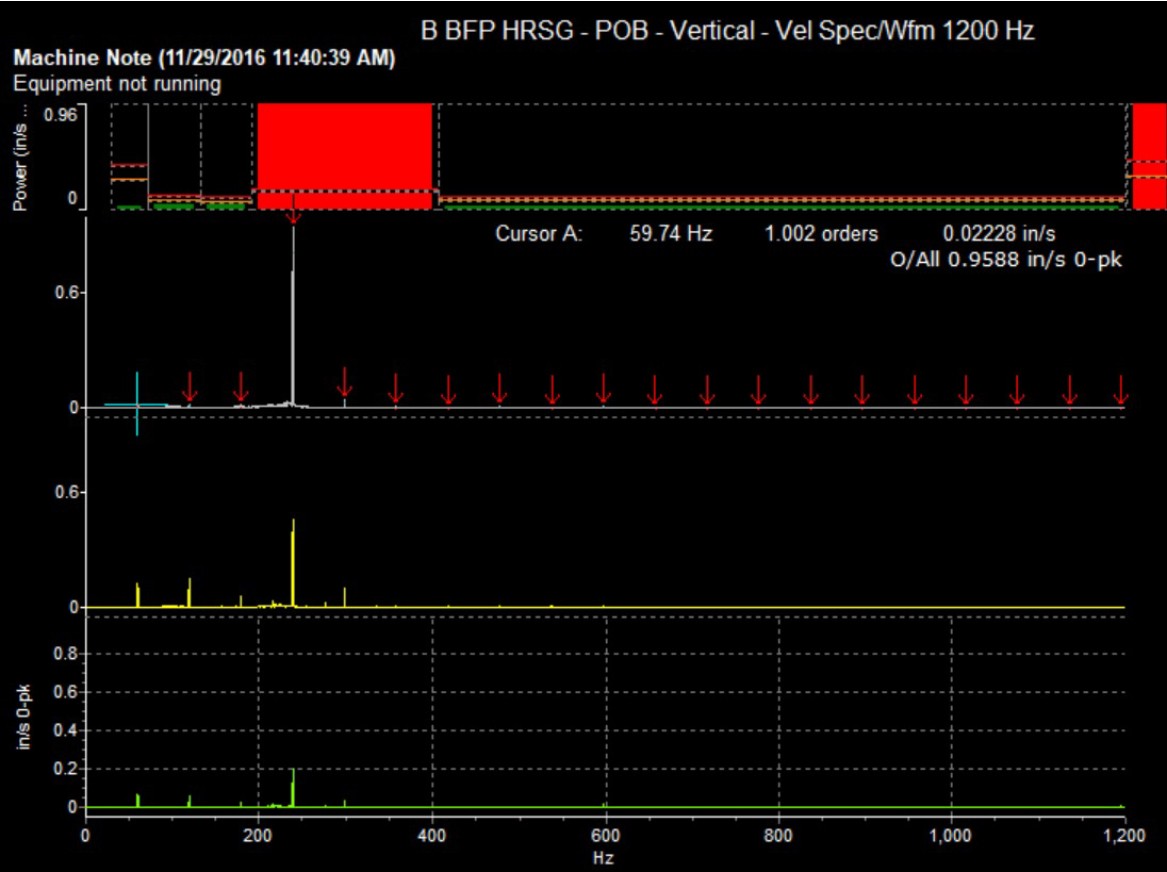
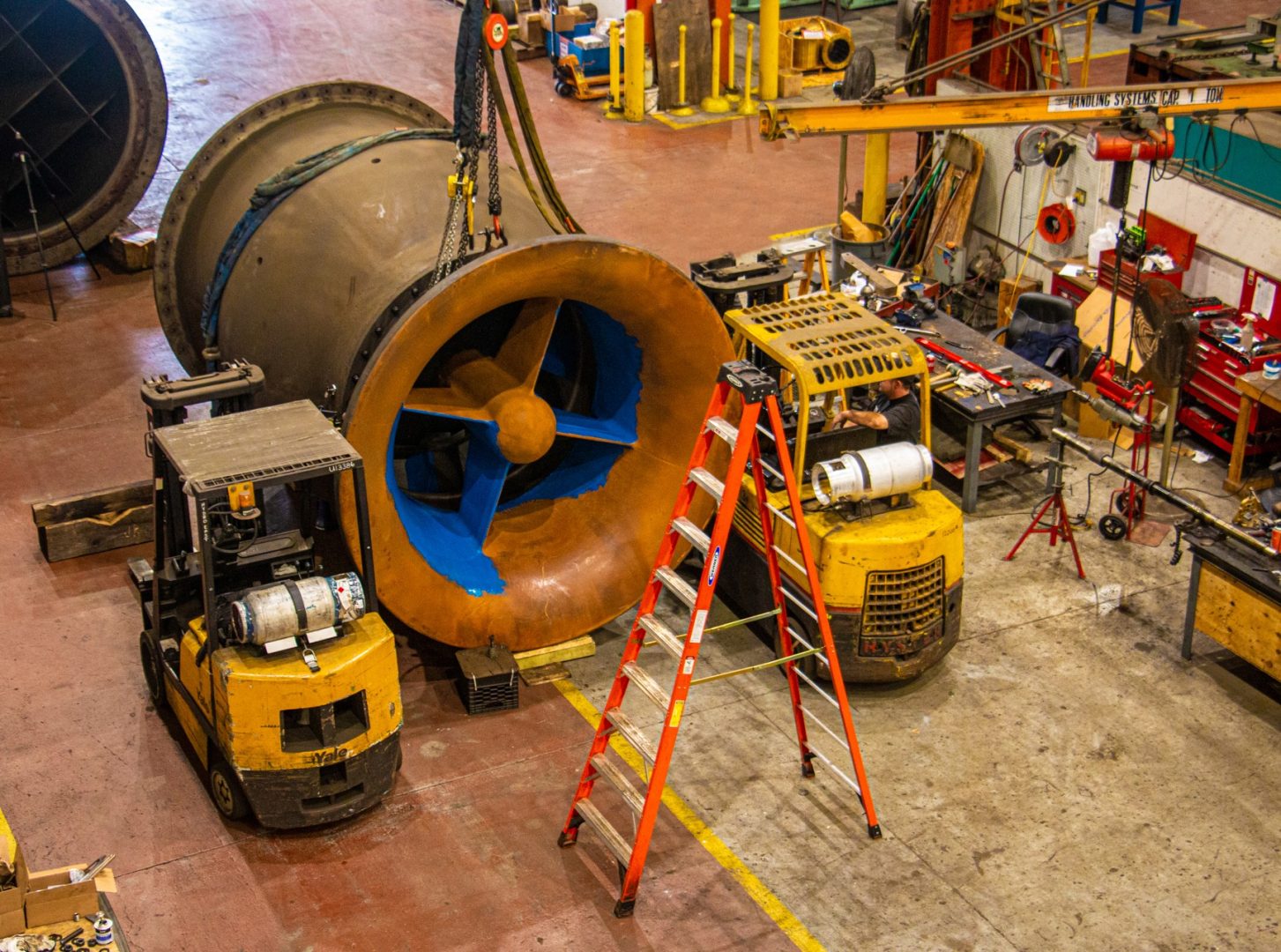 From lifting massive weights, to reverse engineering components with expansive surface areas, to troubleshooting vibration in machines susceptible to resonance problems, large vertical pumps have unique challenges. Fortunately, Hydro has cultivated specialized capabilities to meet these challenges.
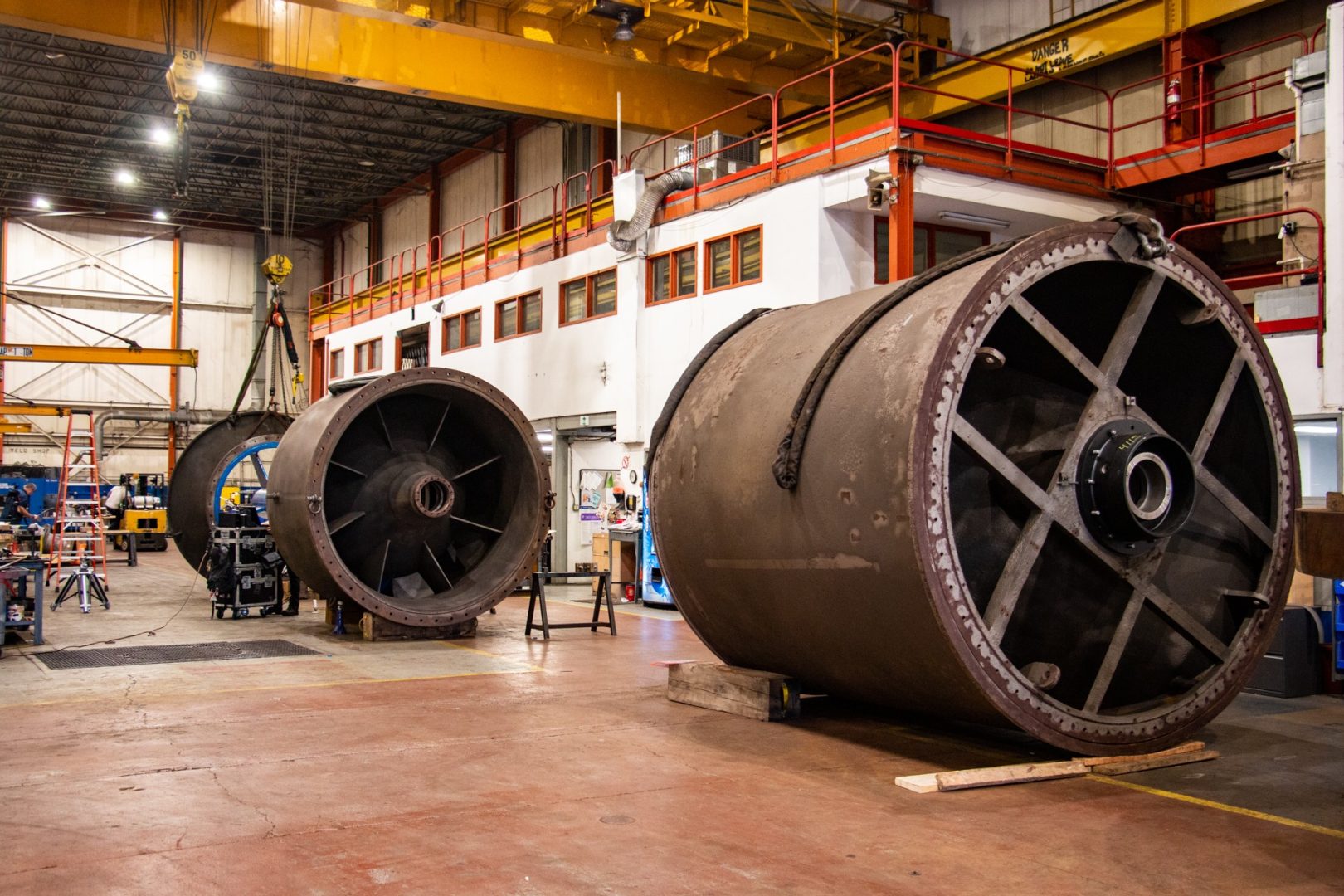 Another challenge when working on large pumps is that they require a shop with the appropriate tooling and lifting capacity. It also requires a team dedicated to providing a higher standard of repair. Because vertical pumps are made of several stacked components, maintaining tight tolerances and best-in-class fit-ups is critical for reliable operation. Hydro’s standards are more stringent than those required by any industry body. This translates to longer life, better performance, and safer operation.