AI Doesn’t Replace Reliability Engineers—It Helps Them Find Problems Faster

Industrial facilities generate an enormous amount of equipment data every day. The challenge isn’t collecting vibration data anymore. The challenge is knowing which machines actually need attention before a failure occurs.
That’s where AI-assisted condition monitoring can make a real difference.

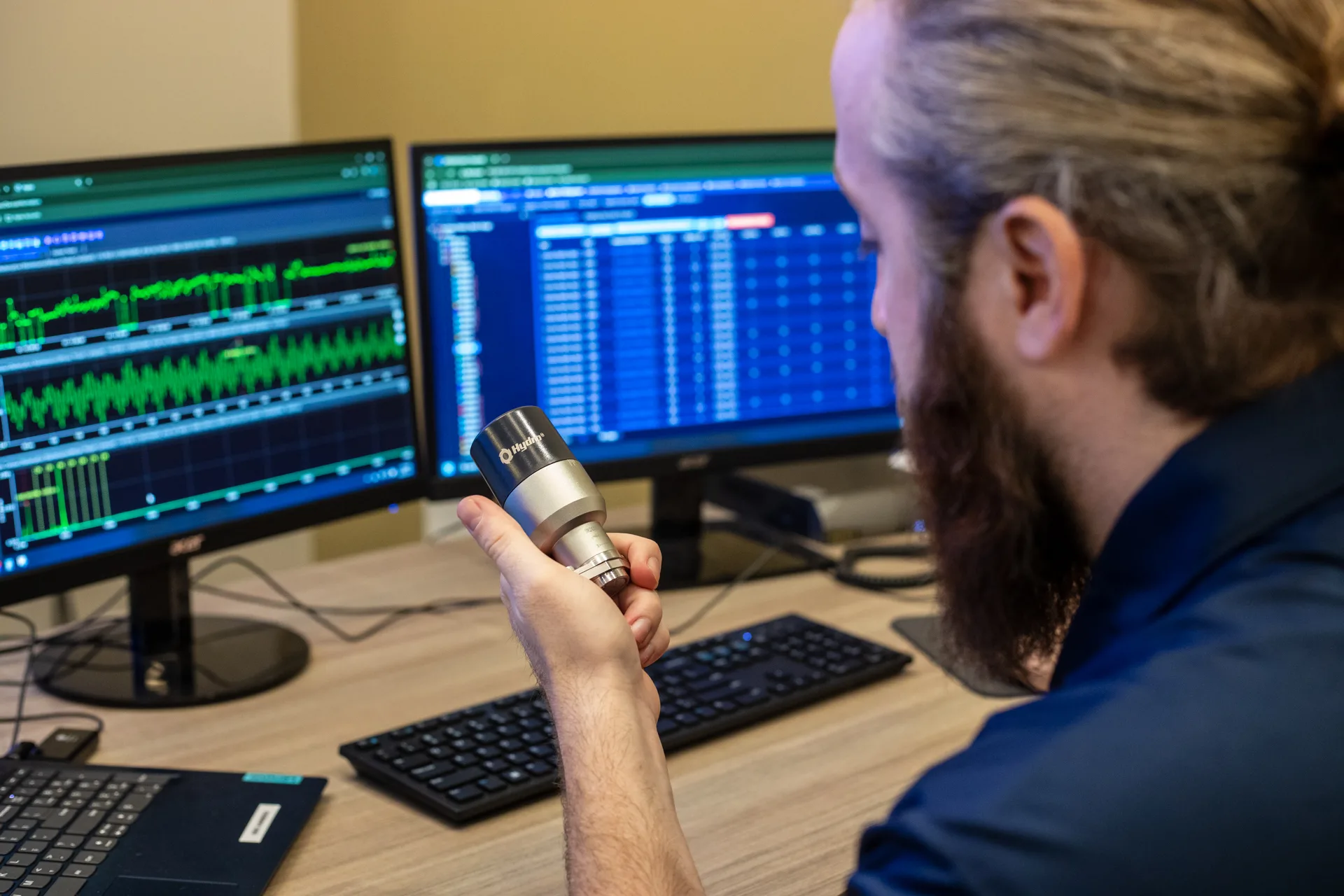
Hydro’s Centaur combines continuous wireless vibration monitoring, intelligent alarm logic, and expert vibration analysis to help maintenance teams identify developing equipment problems sooner. Rather than overwhelming personnel with raw vibration readings or unnecessary alarms, the system highlights meaningful changes in machine behavior that warrant further investigation.

A recent customer case demonstrates how combining intelligent diagnostics with human expertise helped identify a developing motor bearing fault before it became a larger reliability issue.

The Challenge: Finding the Machine That Doesn’t Look Broken

Maintenance teams are responsible for hundreds—or even thousands—of rotating assets.

Naturally, attention is focused on:

  • Equipment with known reliability issues
  • Critical production assets
  • Machines recently repaired
  • Equipment already generating alarms

But developing failures rarely announce themselves.

Often, the earliest indication of a problem isn’t excessive vibration—it’s a subtle departure from the machine’s normal operating behavior.

That’s exactly what happened in this case.

The Intelligent Alarm

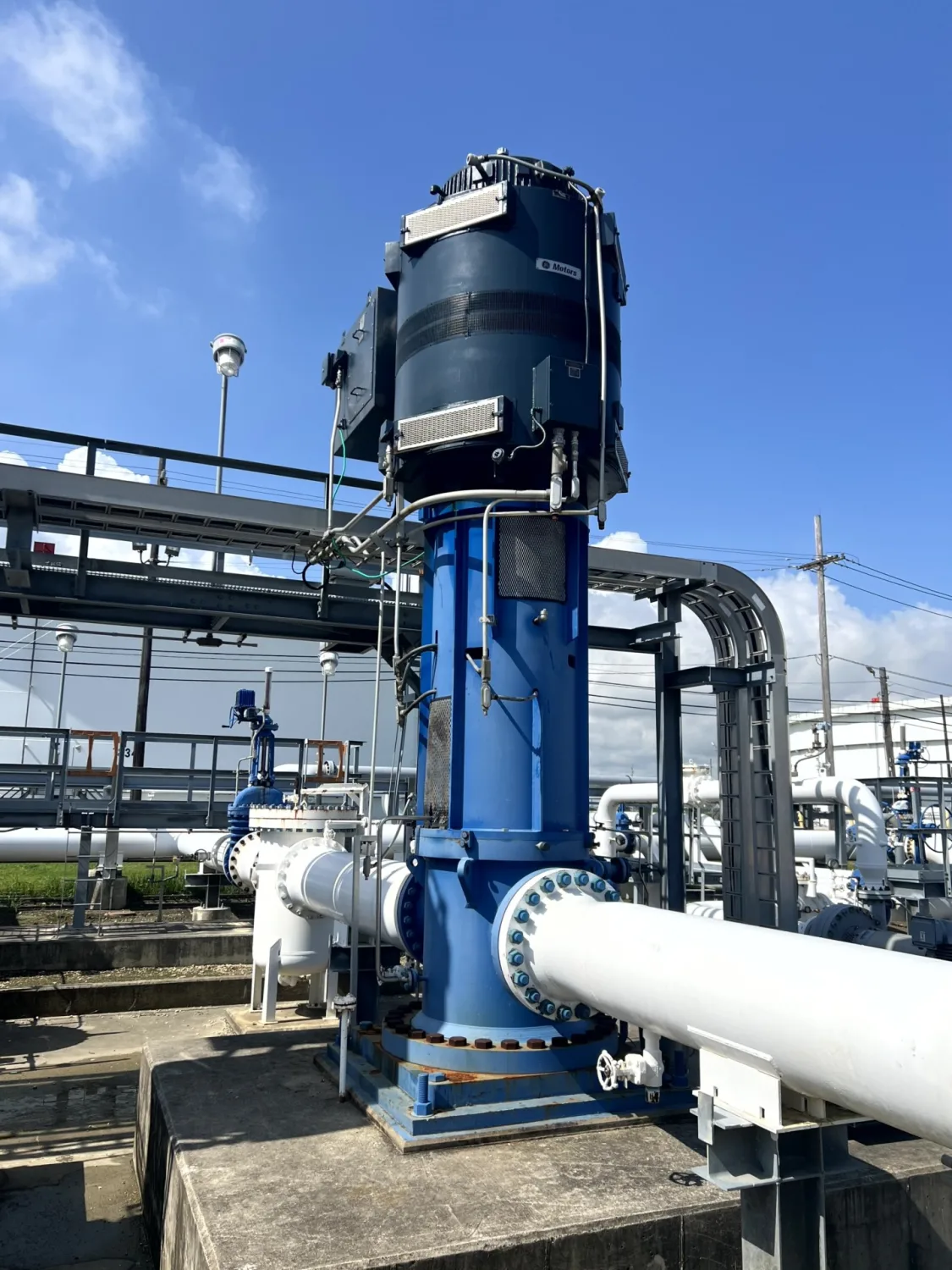
The monitored motor-driven pump had been operating normally when Centaur detected a gradual increase in vibration at the motor lower bearing.

Instead of simply reporting that vibration exceeded a fixed threshold, Centaur’s intelligent alarm evaluated multiple machine characteristics and identified a developing condition consistent with bearing degradation.

The system detected:

  • Increasing acceleration levels
  • Elevated bearing energy
  • High-frequency vibration components
  • Increased waveform impacts

Together, these changes suggested a developing lower motor bearing issue.

Rather than flooding the maintenance team with another alarm, the system highlighted a probable failure mode for further evaluation.
AI Plus Human Expertise

Artificial intelligence is incredibly effective at recognizing patterns.

What it cannot do is replace decades of machinery experience.

Once the intelligent alarm was generated, Hydro’s vibration analysts reviewed the machine data, operating conditions, vibration spectra, and waveform characteristics.

Their conclusion matched the system’s findings.

The recommendation was straightforward:

Inspect the lower motor bearing for developing damage.

Instead of asking the customer to investigate an undefined vibration issue, Hydro provided a focused maintenance recommendation backed by both intelligent diagnostics and engineering expertise.

The Results

The customer isolated the motor and confirmed deterioration of the lower motor bearing.

After replacing the bearing, Centaur continued monitoring the asset to verify the repair.

The results were significant:

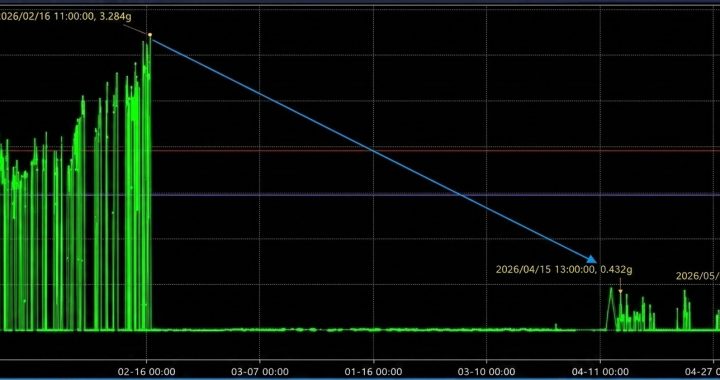
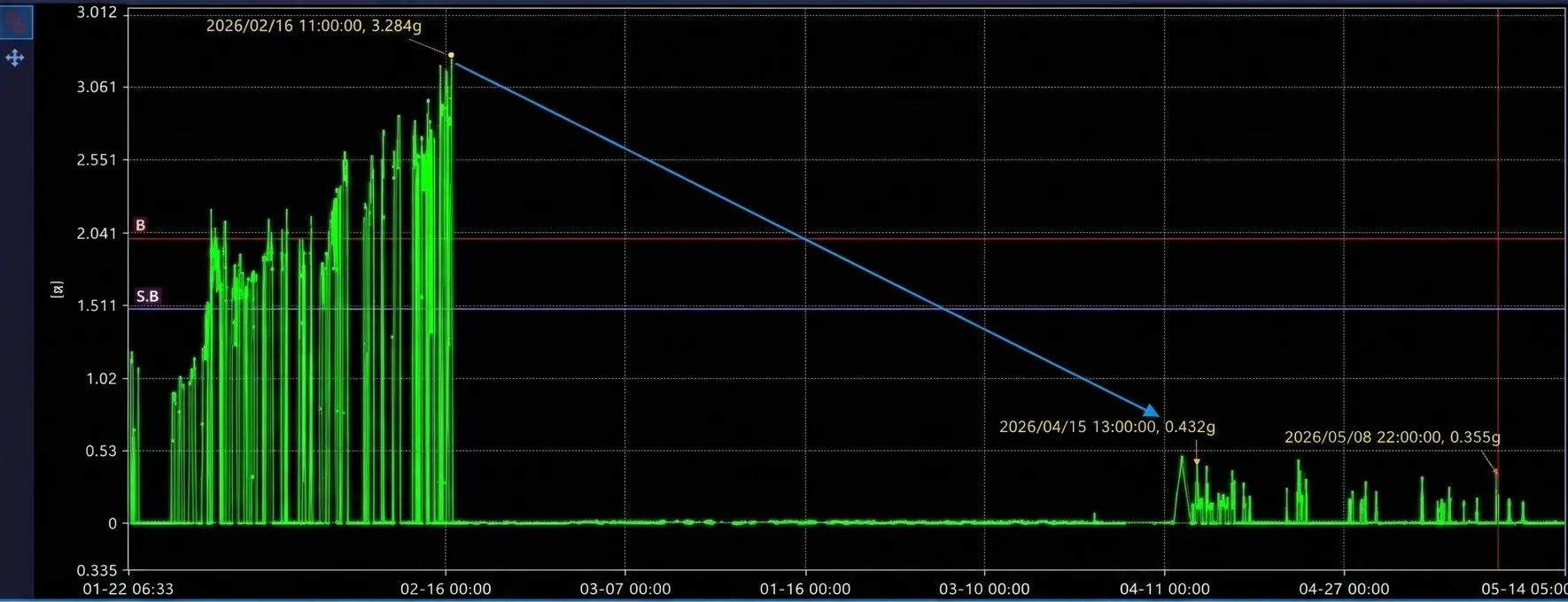
  • Motor lower bearing acceleration decreased from 3.28 G to 0.43 G
  • Vibration levels improved by approximately 87%
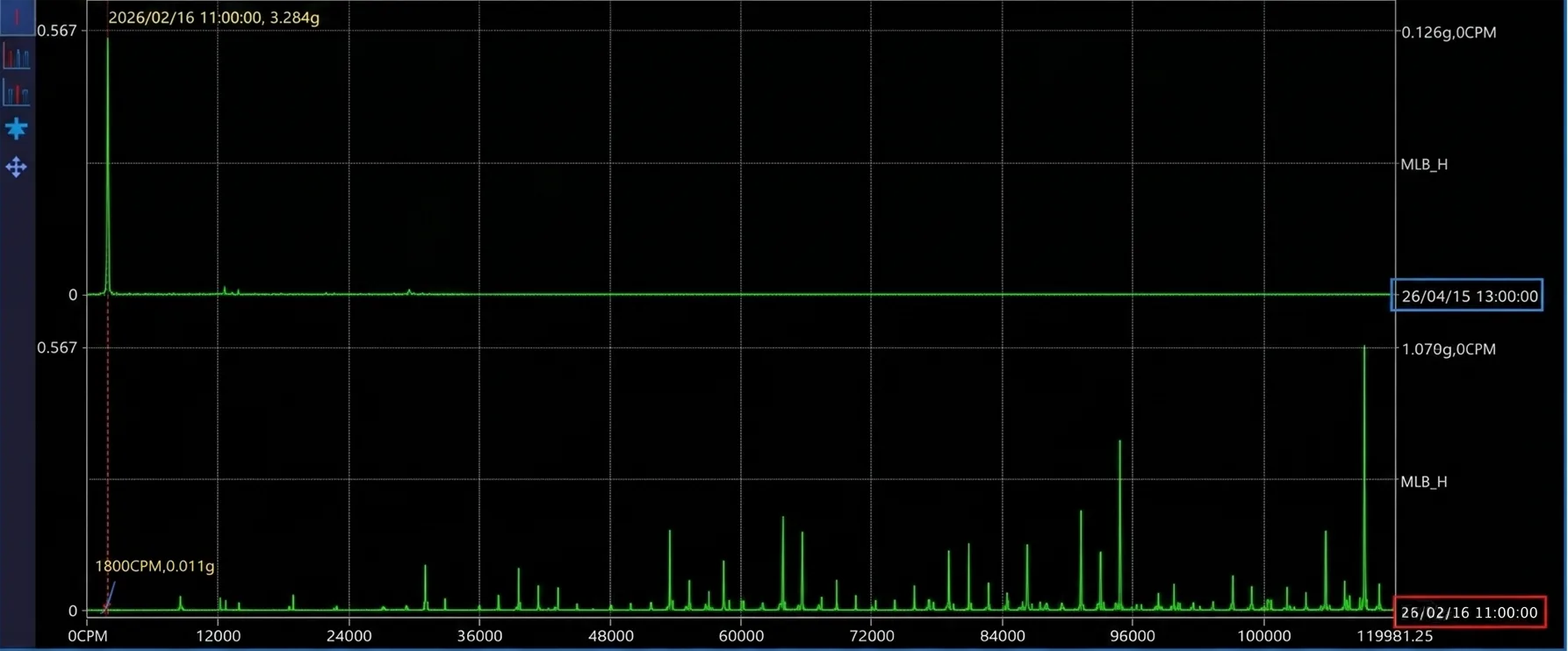
  • High-frequency fault characteristics disappeared
  • The equipment returned to normal operating condition

Just as importantly, the post-maintenance data confirmed that the repair addressed the root cause.

Why Verification Matters

Repairing equipment is only part of the maintenance process.

Knowing the repair actually solved the problem is equally important.

Continuous condition monitoring allows maintenance teams to validate corrective actions rather than simply hoping vibration improves after a repair.

This provides confidence that equipment can be returned to service without lingering concerns.

Smarter Monitoring. Better Decisions.

AI isn’t replacing reliability engineers.

It’s helping them focus their time where it matters most.

By combining intelligent alarms, continuous wireless monitoring, and expert vibration analysis, Hydro Centaur transforms machine data into actionable maintenance recommendations that help organizations:

  • Detect developing failures earlier
  • Prioritize maintenance resources
  • Reduce unnecessary troubleshooting
  • Verify maintenance effectiveness
  • Improve equipment reliability

Because the value of condition monitoring isn’t creating more data.

It’s creating better maintenance decisions.

Learn more about Centaur, Hydro’s Wireless Condition Monitoring Solution here.

Want the highlights? Download our one-page fin fan case study flyer here.
Continuous Condition Monitoring: How to Verify Maintenance Effectiveness

Maintenance teams spend significant time and resources repairing rotating equipment, but one question often remains after the work is complete:

Did it actually solve the problem?

For many facilities, the answer is based on a quick vibration check or simply waiting to see if the equipment continues running. Continuous condition monitoring offers a more objective approach by providing before-and-after performance data that confirms whether maintenance delivered the intended results.

A Real-World Example

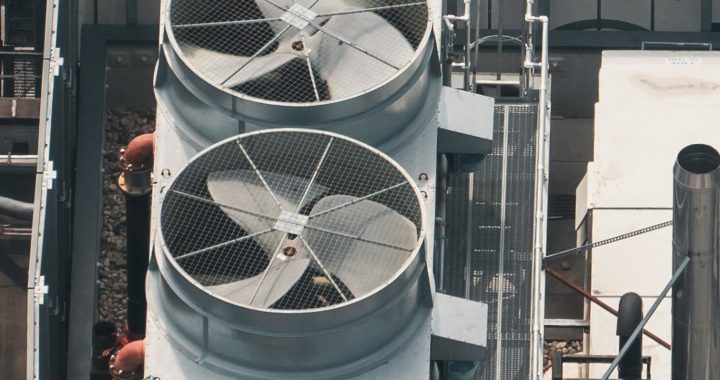
At a Gulf Coast petrochemical facility, Hydro’s Centaur condition monitoring system continuously tracked vibration on two process fin fans before and after maintenance activities performed in mid-February 2024.

Because vibration data had already been collected for months prior to the repairs, the maintenance team had a reliable baseline for comparison. After the work was completed, Centaur continued monitoring the equipment, making it possible to evaluate the effectiveness of the repairs using actual operating data rather than assumptions.

The Results

The comparison told a clear story.

Following the maintenance work:

  • Fin Fan A showed reduced vibration at 6 of 9 measurement locations.
  • Fin Fan B showed reduced vibration at all 9 measurement locations.

Several improvements were especially noteworthy.

For Fin Fan B:

  • One measurement location decreased from 0.400 ips RMS to 0.225 ips RMS, a reduction of approximately 44%.
  • Another dropped from 0.325 ips RMS to 0.095 ips RMS, representing roughly a 71% reduction in vibration.

The trend charts also showed a noticeable reduction in vibration amplitudes after the maintenance work, confirming that the improvements were sustained during subsequent operating periods rather than being isolated readings.

Why Verification Matters

Without continuous monitoring, maintenance teams often rely on periodic data collection or operator observations to determine whether repairs were successful.

Continuous monitoring provides a much higher level of confidence by allowing teams to:

  • Compare equipment performance before and after maintenance.
  • Verify that vibration levels have returned to acceptable operating conditions.
  • Identify locations where vibration remains elevated and may require additional investigation.
  • Create documented evidence that maintenance activities produced measurable improvements.

Instead of wondering whether repairs worked, maintenance teams have objective data to support maintenance decisions.

Turning Data Into Better Maintenance Decisions

Condition monitoring isn’t only about detecting failures before they happen. It also helps organizations validate maintenance quality and ensure corrective actions produce the expected results.

By continuously monitoring asset health before and after repairs, facilities gain valuable insight into equipment performance, maintenance effectiveness, and opportunities for ongoing reliability improvements.

When maintenance decisions are backed by continuous machine health data, reliability teams can move beyond assumptions and make decisions with confidence.

Learn more about Centaur, Hydro’s Wireless Condition Monitoring Solution here.

Want the highlights? Download our one-page fin fan case study flyer here.
Podcast- Firefighting is not a Maintenance Strategy

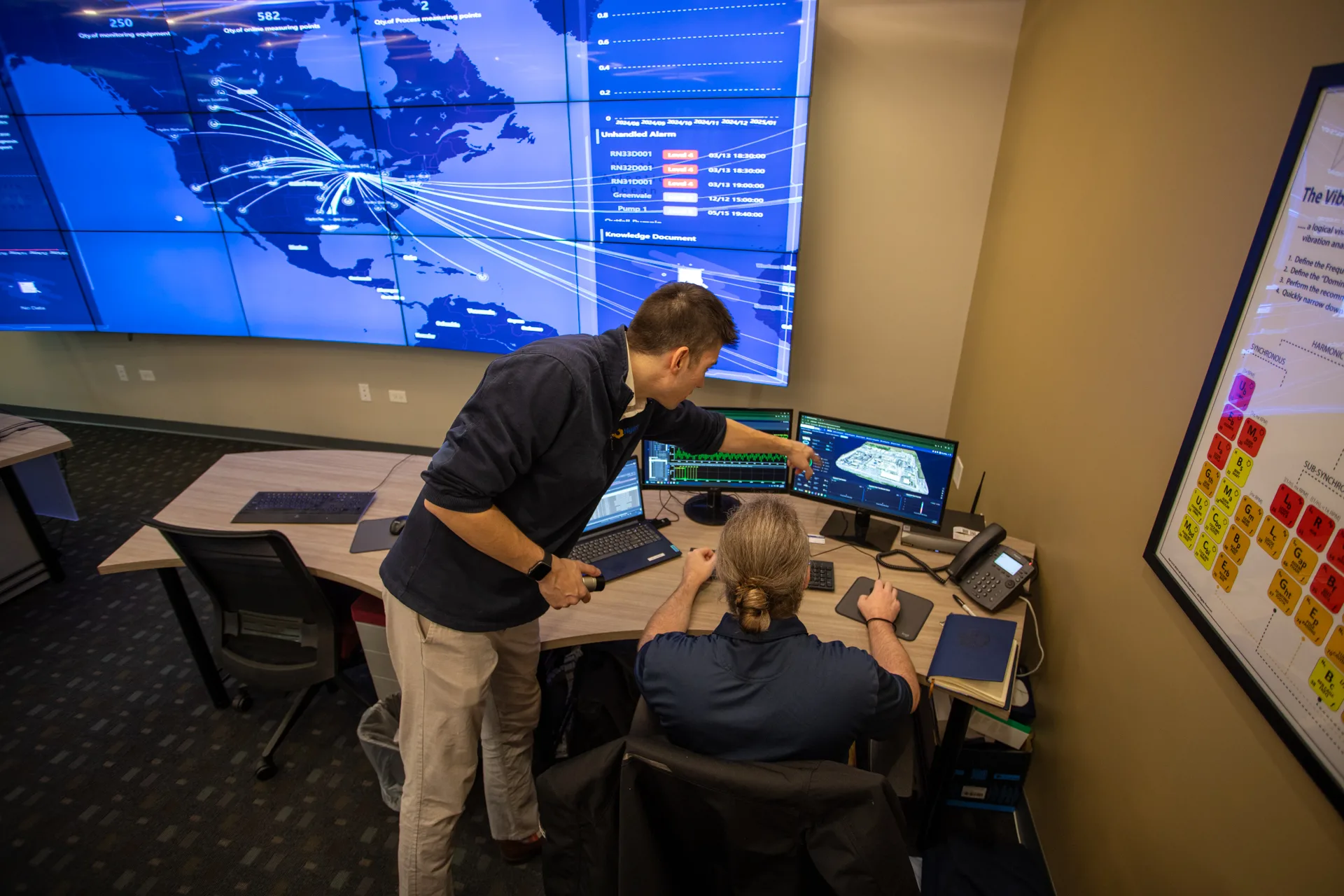
Hydro’s Robert McCowan and Ares Panagoulias joined Plant Services’ chief editor Tom Wilk to talk about how condition monitoring is key to helping turn data into action and closing the feedback loop between workers and systems.

Key Takeaways

  • Define goals, roles, and critical assets before deploying sensors to avoid data overload and improve program success.
  • AI can enhance condition monitoring, but human expertise is still needed to add context and validate recommendations.
  • Dashboards should guide technicians to issues, not replace hands-on equipment inspections and operational awareness.
  • Predictive maintenance delivers ROI only when data-driven insights lead to timely maintenance actions and follow-through.

You can listen to the podcast below or browse all of Plant Services’ Great Question podcasts here.

Want to expand your knowledge? Explore Plant Services magazine or read our case studies focused on Hydro’s work in troubleshooting and vibration analysis.

Hydro Welcomes Travis Nixon to Hydro Parts Solutions

Hydro is excited to welcome Travis Nixon as the Operations Manager for our Hydro Parts Solutions division.

Travis has been in the aftermarket pump parts industry for 19 years. Over that time he has worn many hats, including engineering, sales, customer service, procurement, and project management.
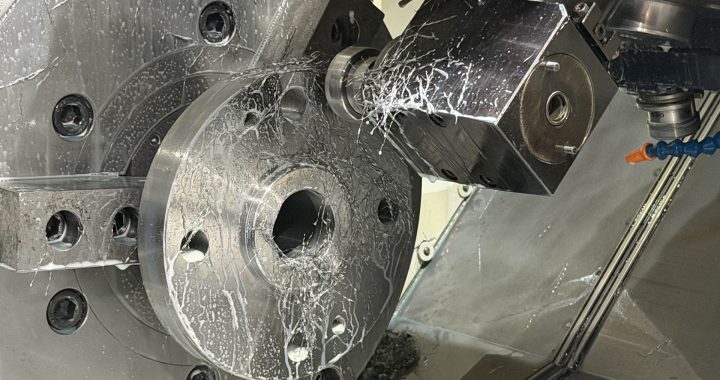
Travis worked for Standard Alloys for  about 10 years in their engineering and technical support department. During his time there, he learned every aspect of manufacturing pump parts: reverse engineering, pattern making, mold and core production, hydraulic rerates, machining, and pump repair.

He joined PumpWorks Castings in 2017 to help make their in-house foundry more profitable through aftermarket parts manufacturing. While with PWC his main responsibility was reverse engineering and machine shop management, but he gradually took on more duties within the business, including foundry engineering, outside vendor vetting, final inspection, and project management.

We look forward to working with Travis to continue to provide high quality cast and machined parts to our customers around the world.

State of the Art Parts- Expedited Stuffing Boxes

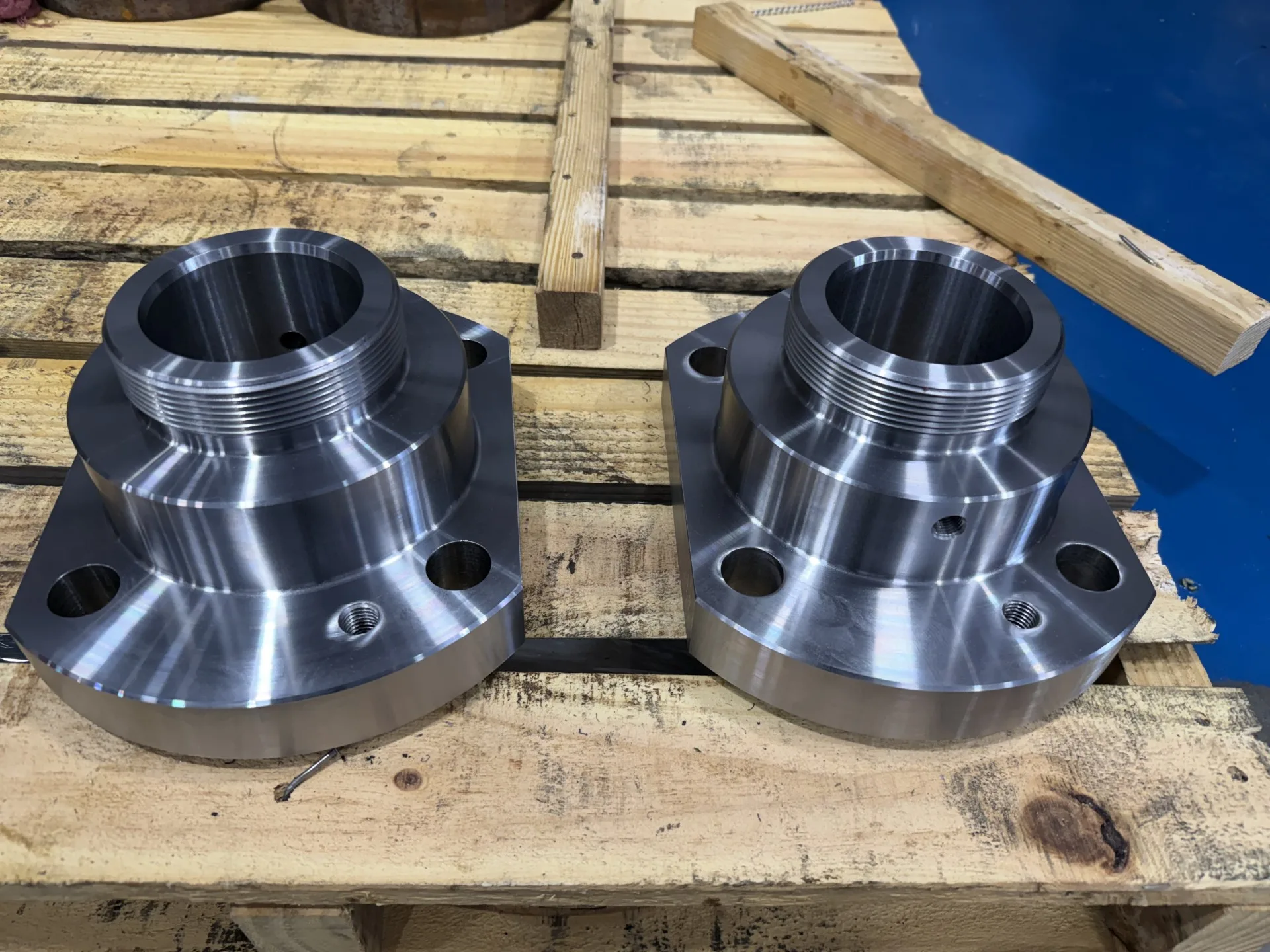
Hydro Parts Solutions recently manufactured two stuffing boxes for an injection pump at a Gulf Coast refinery.

An issue at the refinery had caused two of the stuffing boxes for this application to fail. Because of this unexpected failure, the end user required six new stuffing boxes on an expedited basis.

Hydro Parts Solutions was able to reverse engineer and machine these components from AISI 4140 steel on an aggressive timeline, providing the first two stuffing boxes within 4 days. The remaining four components were completed within 9 days.

Learn more about Hydro Parts Solutions here.