
Industrial facilities generate an enormous amount of equipment data every day. The challenge isn’t collecting vibration data anymore. The challenge is knowing which machines actually need attention before a failure occurs.
That’s where AI-assisted condition monitoring can make a real difference.
Hydro’s Centaur combines continuous wireless vibration monitoring, intelligent alarm logic, and expert vibration analysis to help maintenance teams identify developing equipment problems sooner. Rather than overwhelming personnel with raw vibration readings or unnecessary alarms, the system highlights meaningful changes in machine behavior that warrant further investigation.
A recent customer case demonstrates how combining intelligent diagnostics with human expertise helped identify a developing motor bearing fault before it became a larger reliability issue.
The Challenge: Finding the Machine That Doesn’t Look Broken
Maintenance teams are responsible for hundreds—or even thousands—of rotating assets.
Naturally, attention is focused on:
- Equipment with known reliability issues
- Critical production assets
- Machines recently repaired
- Equipment already generating alarms
But developing failures rarely announce themselves.
Often, the earliest indication of a problem isn’t excessive vibration—it’s a subtle departure from the machine’s normal operating behavior.
That’s exactly what happened in this case.
The Intelligent Alarm
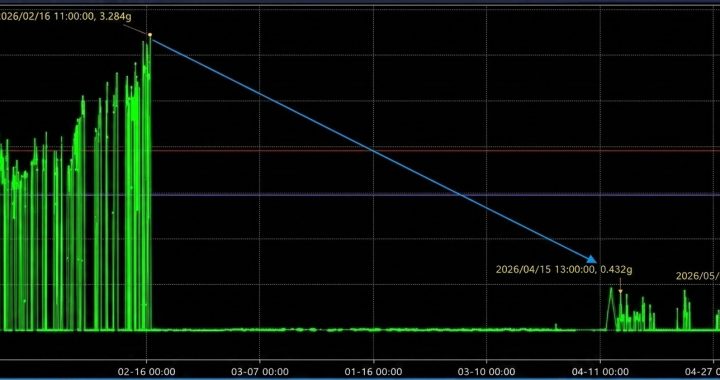
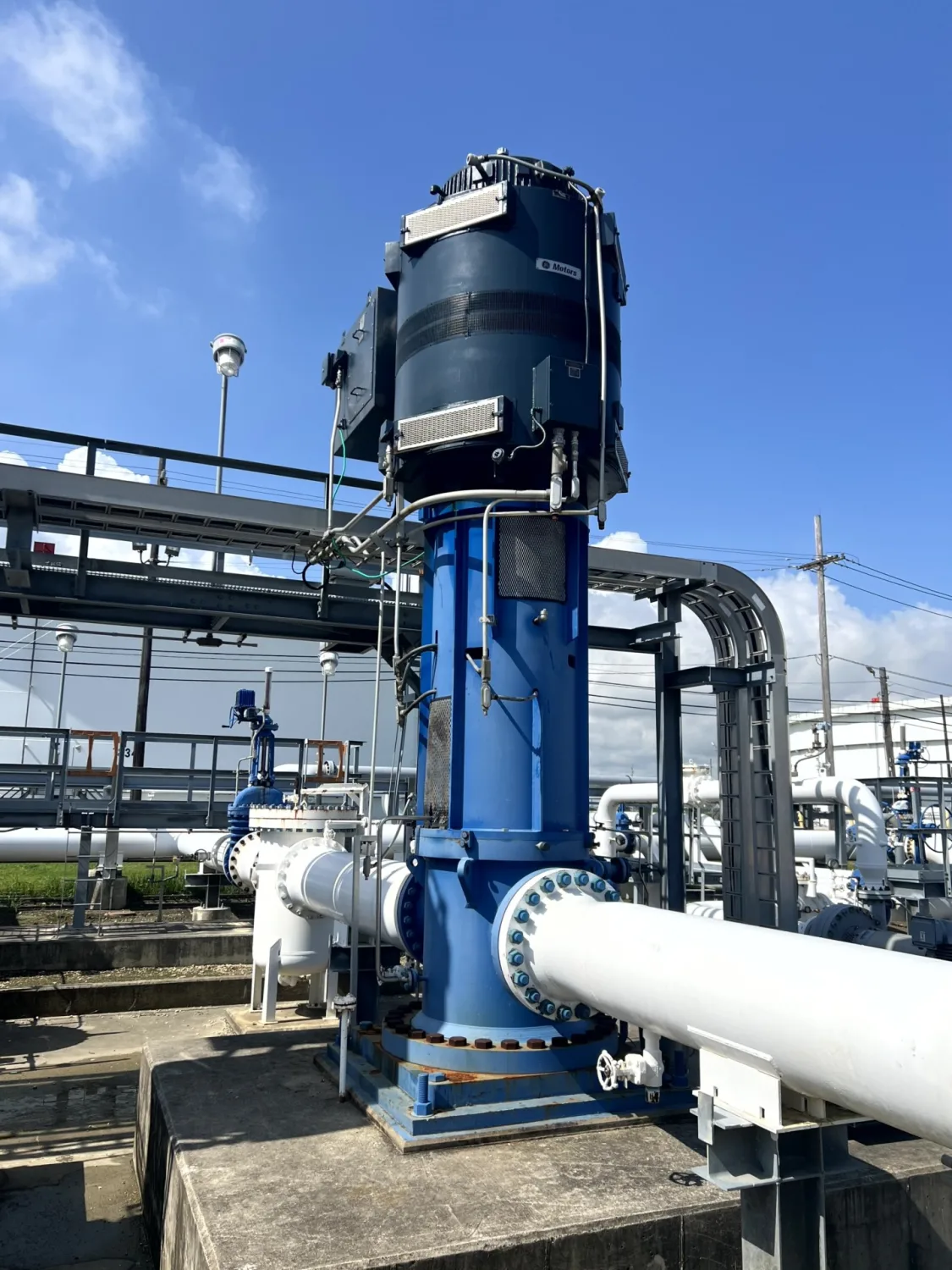
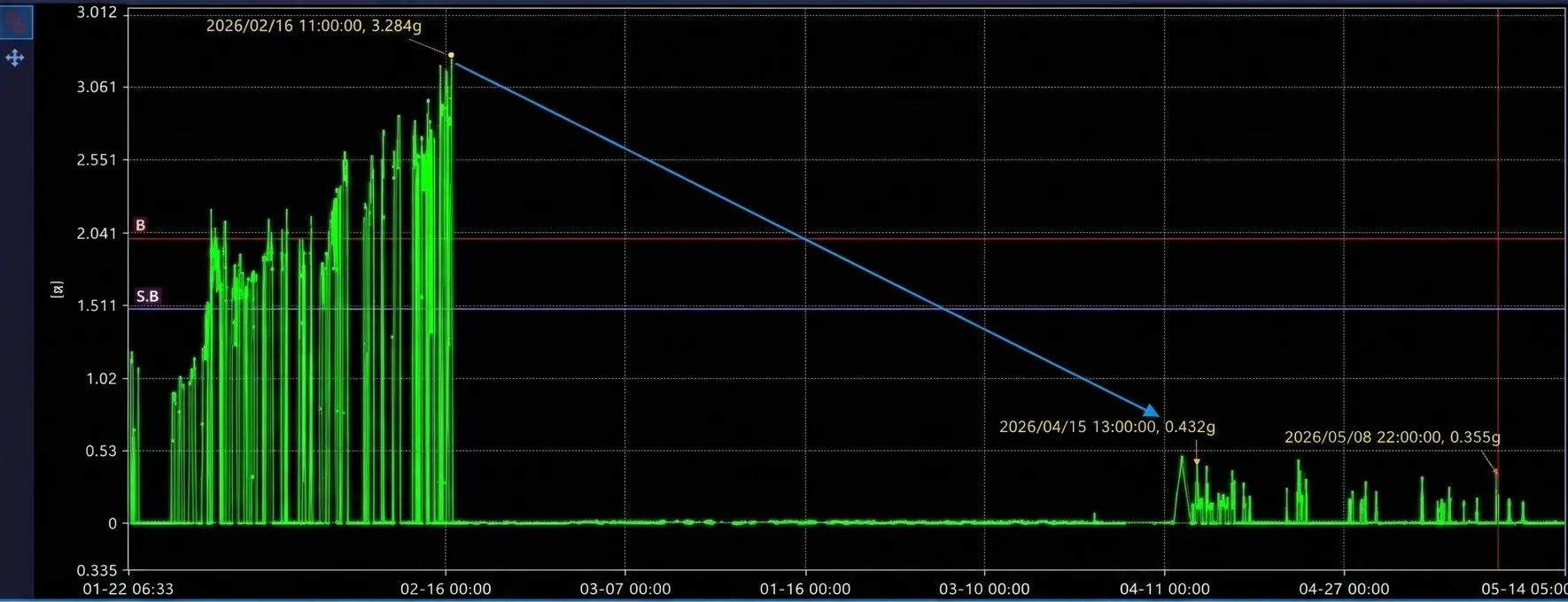
The monitored motor-driven pump had been operating normally when Centaur detected a gradual increase in vibration at the motor lower bearing.
Instead of simply reporting that vibration exceeded a fixed threshold, Centaur’s intelligent alarm evaluated multiple machine characteristics and identified a developing condition consistent with bearing degradation.
The system detected:
- Increasing acceleration levels
- Elevated bearing energy
- High-frequency vibration components
- Increased waveform impacts
Together, these changes suggested a developing lower motor bearing issue.
Rather than flooding the maintenance team with another alarm, the system highlighted a probable failure mode for further evaluation.
AI Plus Human Expertise
Artificial intelligence is incredibly effective at recognizing patterns.
What it cannot do is replace decades of machinery experience.
Once the intelligent alarm was generated, Hydro’s vibration analysts reviewed the machine data, operating conditions, vibration spectra, and waveform characteristics.
Their conclusion matched the system’s findings.
The recommendation was straightforward:
Inspect the lower motor bearing for developing damage.
Instead of asking the customer to investigate an undefined vibration issue, Hydro provided a focused maintenance recommendation backed by both intelligent diagnostics and engineering expertise.
The Results
The customer isolated the motor and confirmed deterioration of the lower motor bearing.
After replacing the bearing, Centaur continued monitoring the asset to verify the repair.
The results were significant:
- Motor lower bearing acceleration decreased from 3.28 G to 0.43 G
- Vibration levels improved by approximately 87%
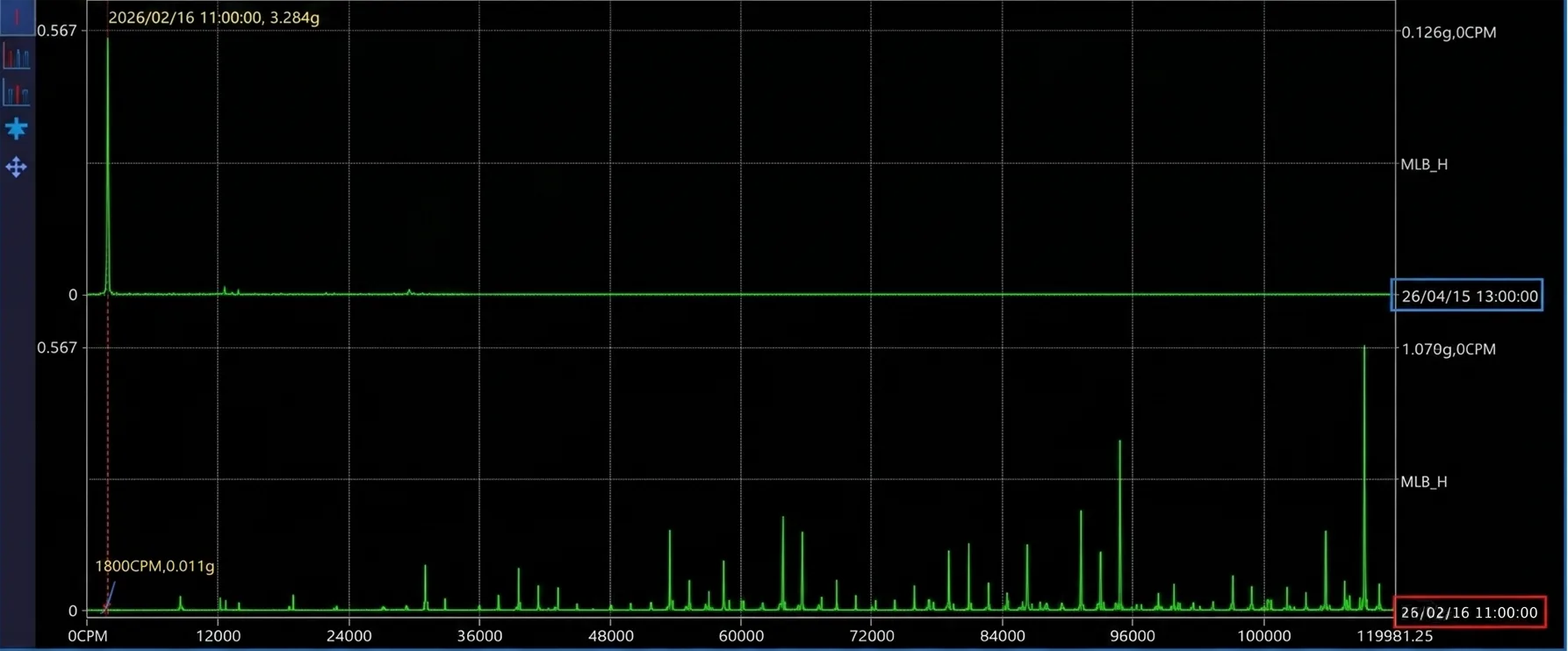
- High-frequency fault characteristics disappeared
- The equipment returned to normal operating condition
Just as importantly, the post-maintenance data confirmed that the repair addressed the root cause.
Why Verification Matters
Repairing equipment is only part of the maintenance process.
Knowing the repair actually solved the problem is equally important.
Continuous condition monitoring allows maintenance teams to validate corrective actions rather than simply hoping vibration improves after a repair.
This provides confidence that equipment can be returned to service without lingering concerns.
Smarter Monitoring. Better Decisions.
AI isn’t replacing reliability engineers.
It’s helping them focus their time where it matters most.
By combining intelligent alarms, continuous wireless monitoring, and expert vibration analysis, Hydro Centaur transforms machine data into actionable maintenance recommendations that help organizations:
- Detect developing failures earlier
- Prioritize maintenance resources
- Reduce unnecessary troubleshooting
- Verify maintenance effectiveness
- Improve equipment reliability
Because the value of condition monitoring isn’t creating more data.
It’s creating better maintenance decisions.
Learn more about Centaur, Hydro’s Wireless Condition Monitoring Solution here.
Want the highlights? Download our one-page fin fan case study flyer here.
 Maintenance teams spend significant time and resources repairing rotating equipment, but one question often remains after the work is complete:
 nance.
 Travis has been in the aftermarket pump parts industry for 19 years. Over that time he has worn many hats, including engineering, sales, customer service, procurement, and project management.
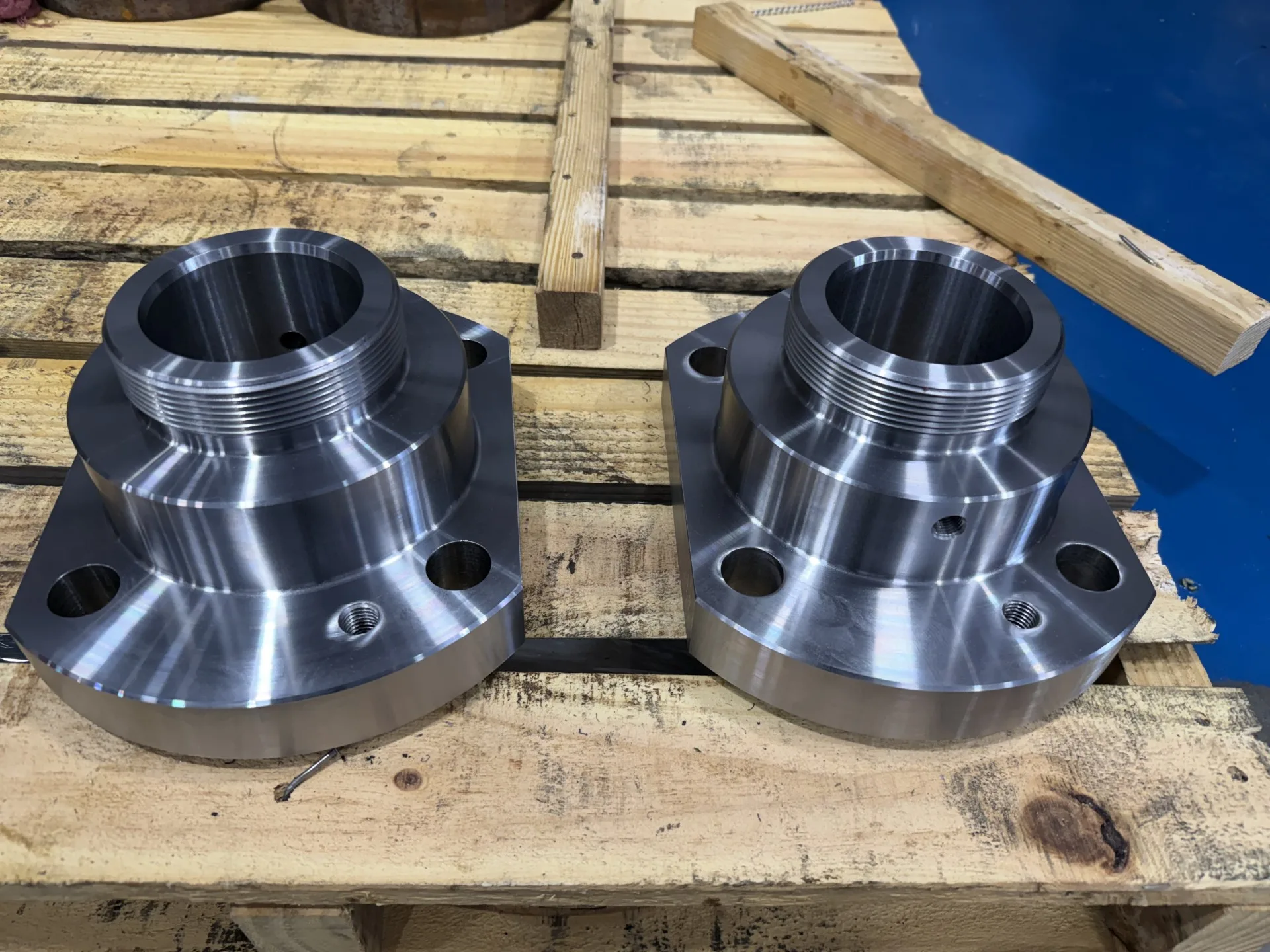 Hydro Parts Solutions recently manufactured two stuffing boxes for an injection pump at a Gulf Coast refinery.