

The process of reopening the plant had uncovered more than 500 pumps that needed considerable refurbishment and repair. The most important of these was a critical jet pump used for hydraulic decoking. It was badly damaged and sent to the original equipment manufacturer (OEM) for inspection. The OEM recommended that the refinery replace most of the pump parts, as well as a costly repair that would require 35 weeks to rebuild.
Viable alternative
Instead, the refinery sent the pump to global aftermarket pump service provider, Hydro, Inc. in Chicago, where it was refurbished for just over half the cost of the OEM proposal. The time involved was also significantly improved to just eight weeks by using a non-destructive evaluation and rebuild process at a 46,000 ft2 facility where Hydro develops and implements engineering modifications for improving the performance of critical pumps and then verifies that performance in their Hydraulic Institute certified test lab.
Significant reopening
The original refinery opened in the mid-1960s. In the early 1970s, it was re-rated at 650,000 barrels per day. It had been one of the largest refineries in the western hemisphere, so the impact of reopening the plant would be significant. In this case, Hydro was tasked to work with the critical highenergy pump to prepare for its reopening. The new owners began the process two years ago and it is expected that the plant will be open for operation in the first quarter of 2020. Once restarted, the plant will be able to process up to 210,000 barrels per day of oil, a fraction of the 1,500- acre (607-hectare) plant’s peak capacity in the 1970s of 650,000 bpd.
When the plant was shut down, the pumps and other equipment in the refinery were either left in place or went into storage where they were kept in poor condition. Time constraints prohibited proper preventative maintenance before the refinery shut down. The tropical climate is hot, salty, humid, oppressive, and several hurricanes occurred during this time. All of these extreme conditions can contribute to the deterioration of heavy rotating equipment. Over the course of the year, the temperature typically varies from 72°F to 88°F and is rarely below 68°F or above 90°F. Continue reading
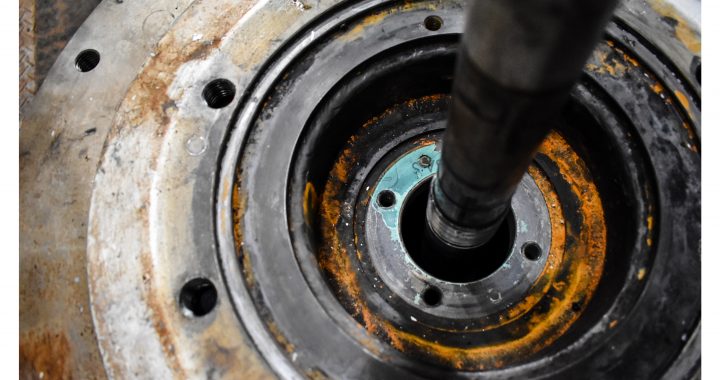
 During the commissioning and startup of an alumina processing plant in the Middle East, a significant recurring pump issue was causing delays to the commissioning of the facility. When de-energizing the equipment, the live steam condensate vertical can pumps experienced repeated failures of all installed units. These seizures occurred at both the design fluid temperature and when pumping cold water.
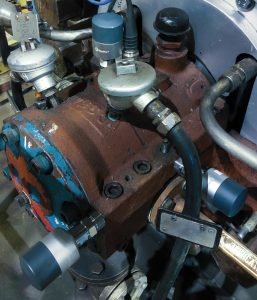
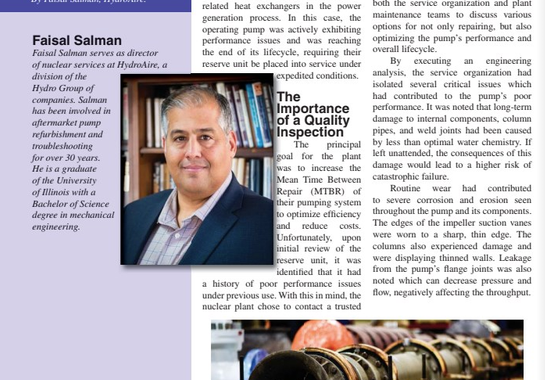
 As the nuclear industry continues to adapt to new requirements under the Nuclear Promise, it is of key importance for utilities to strengthen existing safety protocols and execute efficiency improvements in day-to-day operations and maintenance to optimize overall costs.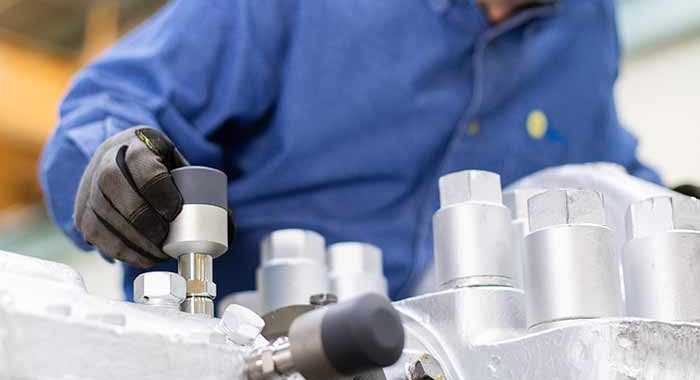
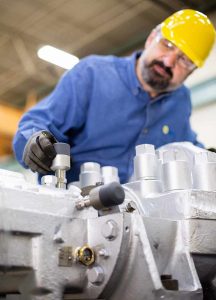 A major pipeline transmission company found itself reconsidering the effectiveness of its maintenance strategy. The company faced a challenge: optimizing asset visibility and implementing remote condition monitoring of equipment health while avoiding a high-cost investment and installation disruptions.