Capability Spotlight: Resolve Reliability Problems

Why look backwards when you can be looking forward?

The problems you inherited with your pump and system design shouldn’t be an anchor holding you back from stable operation. Hydro’s mission to increase pump reliability extends beyond our service facilities and into the field. Hydro Reliability Services provides expert troubleshooting, advanced engineering analysis, and field mechanical and hydraulic testing for your rotating equipment.
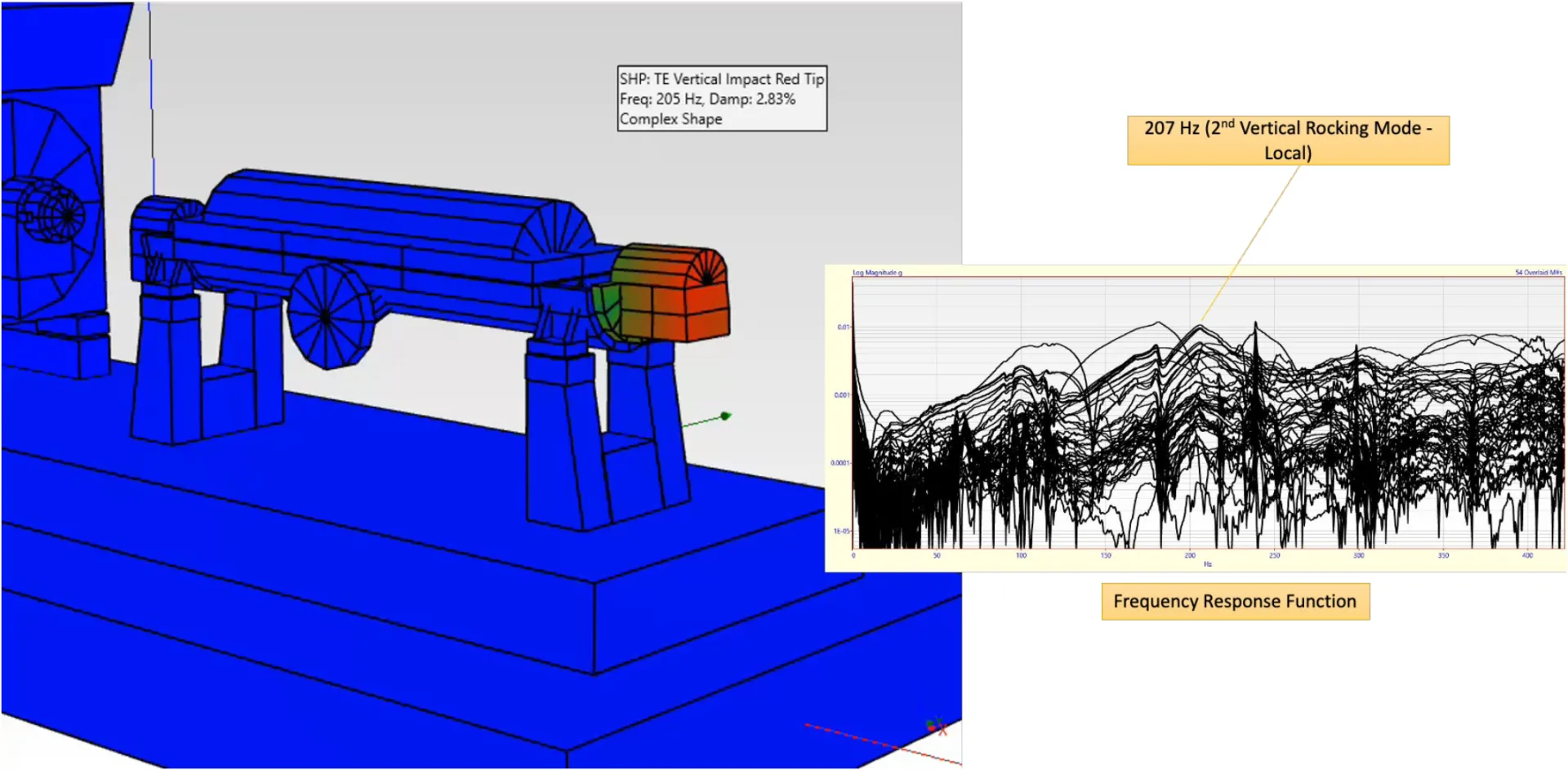
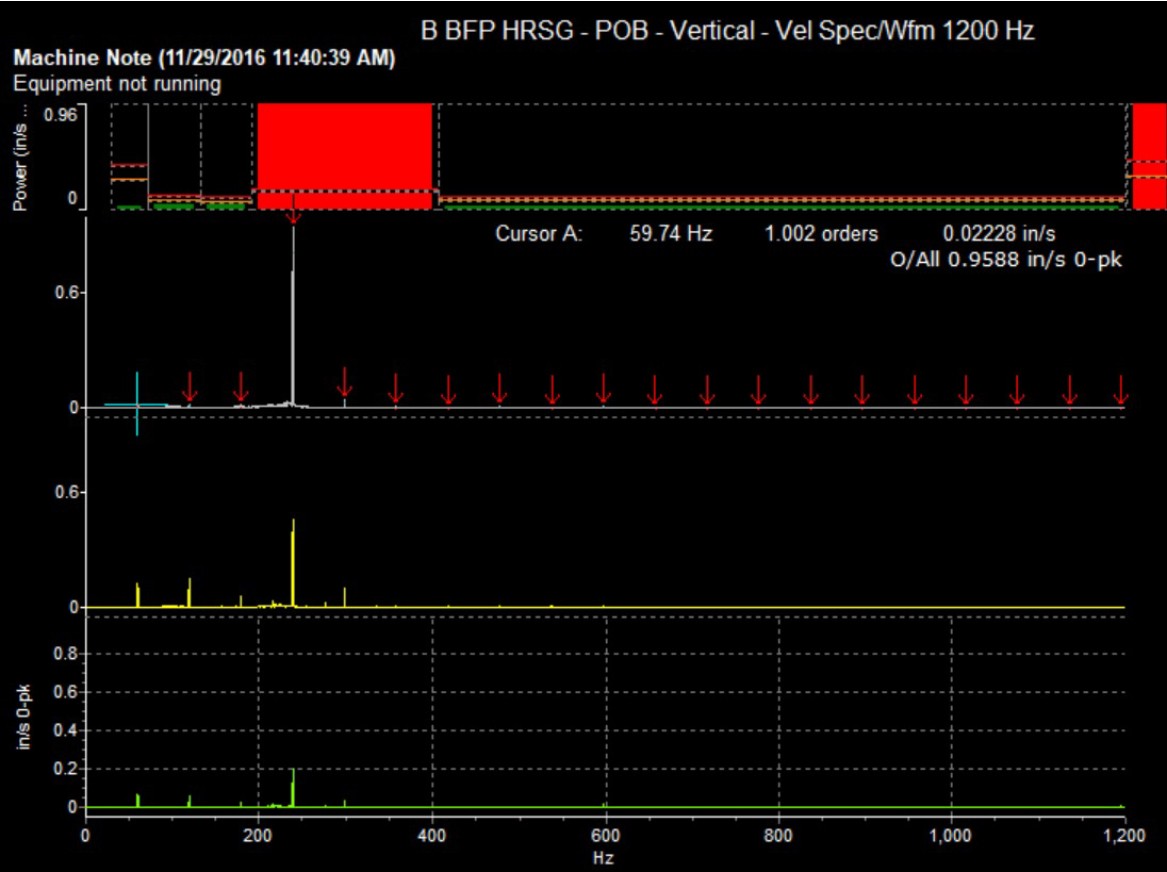
Many pump applications experience ongoing vibration and reliability issues; aging installations are also seeing margins between operation and resonant conditions eroding and previously reliable equipment being pulled into problems. The root cause of these problems is often resonance, a condition that is often misdiagnosed and commonly goes undiagnosed, resulting in persistent high amplitude vibration issues for long periods of time. Structural resonance typically results in highly directional vibration and increased amplitudes that can be difficult to resolve without the proper engineering approach. Fortunately, technology has developed to diagnose resonance and develop effective solutions without resorting to costly trial-and-error methods.

To help our customers solve complex problems with critical pumping equipment, Hydro Reliability Services’ engineers bring an array of technology to the site. Monitoring of traditional health indicators – flow, power, vibration, and pressure – is supplemented with advanced technology, such as Operating Deflection Shape and Experimental Modal Analysis. Leveraging their expertise and advanced modeling software, Hydro’s reliability engineers analyze this data to determine design and system weaknesses and propose improvements. This assessment gives you the ammunition you need to make an informed judgment about the risk of current and future operation.

Read our recent case study in Pumps & Systems magazine to learn more about how field testing and troubleshooting helped a power plant resolve a vibration issue in a critical application.

What does more effective troubleshooting mean for you?

  • Maintaining a competitive edge in your marketplace through reduced operation and maintenance costs
  • Creating a safer workplace with much lower risk of equipment-related accidents and reduced exposure to hazardous materials
  • Contribution towards a sustainable future through more efficient operation and reduced risk of product leakage into the environment
  • Ability to focus resources on proactive strategies and process innovation instead of continuously reacting to problem equipment

VIATC 2024: Vibration Institute Annual Training Conference

Join Hydro at the Vibration Institute Annual Training Conference on August 7-9, 2024. Visit us at Booth 300 at the exposition to talk with Hydro Reliability Services’ Kyle Bowlin about strategies for troubleshooting vibration problems, new technologies, and effective approaches to system analysis.

This year’s VIATC will be held in Covington, KY. Learn more about the event here.

Navigating Resonance Challenges

A Case Study in Diagnostic Testing and Innovative Solutions

Some services are inherently difficult due to factors such as fluid quality or multiple disparate operating points.  These factors are an inherent part of the process and cannot be changed to improve reliability. Harsh applications can be a costly prospect, both in overhaul costs and in the time and labor required for frequent servicing. Many times we become caught in the perception that there is no improvement to be had for these services. A short mean-time-between-failures (MTBF) becomes routine and expected, and maintenance activities and parts procurement are built around this expectation.  

When equipment is sent out for refurbishment, the expectation is that mechanical and hydraulic performance upon reinstallation will be better than what was experienced in the worn condition. This assumption holds true in most cases; however, sometimes unexpected behavior can occur after a pump is remanufactured and reinstalled. While it is easy to jump to the conclusion that these performance changes were caused by errors made during the repair or installation of the equipment, sometimes the problem is more complex and related to latent weaknesses in the design that had lain dormant until refurbishment.

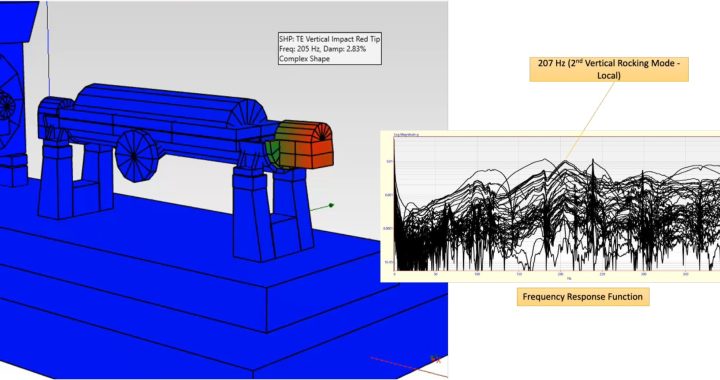
This scenario was experienced by a power utility in the Southeastern US when they ran into significant vibration increases after one of their boiler feed pumps was refurbished by a local repair shop. Concerned by the level of vibration, the utility reached out to Hydro South, who have extensive experience in this application and model. From there, Hydro Reliability Services was called on to collect data on the problematic equipment and use advanced modeling tools to understand the nature of the vibration. The field testing and analysis revealed that pump had been operating with a very small margin between a structural resonance and one of the pump forcing frequencies. Armed with this information, solutions were developed to increase this margin and return to stable operation.

Read the full case study in Pumps & Systems March 2024 edition.

Learn more about Hydro Reliability Services and how they support field testing, vibration troubleshooting, and advanced system studies.

Capability Spotlight: Centaur Condition Monitoring

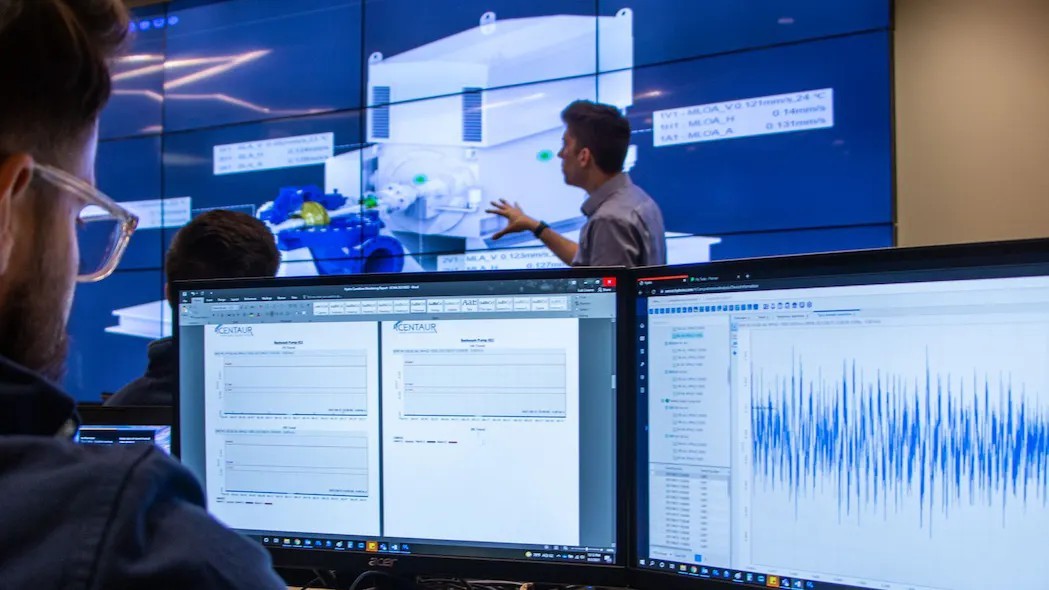
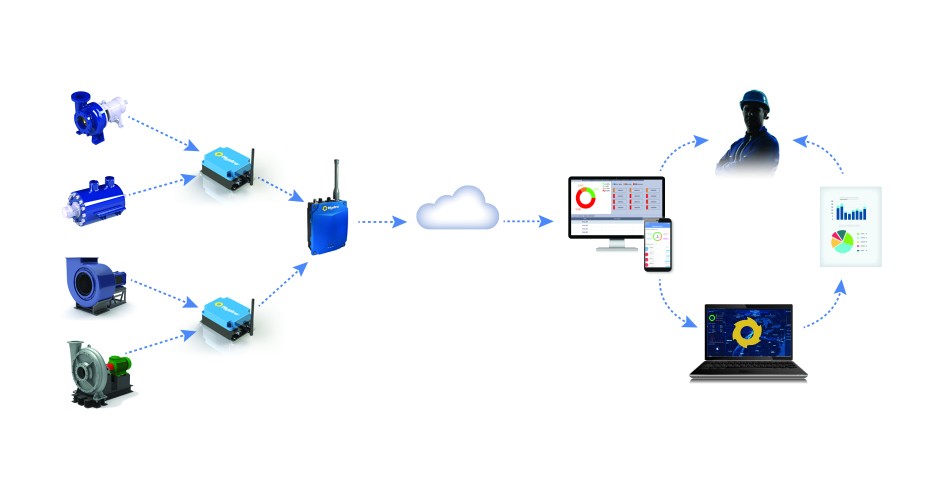
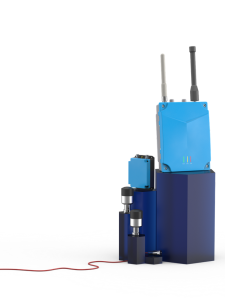
Hydro’s Centaur is an IoT condition monitoring solution developed by rotating equipment experts with a specific focus on detecting equipment failure modes and providing impending warning of incipient problems. Centaur includes the necessary hardware, software, and dedicated engineering support to successfully trend equipment condition and avoid unplanned downtime.

The Problem

Industrial users have relied on analog gauges and route-based data collection methods for decades. These methods often lead to inaccurate or incomplete readings and can expose workers to elevated safety risks, especially in hazardous environments. More importantly, traditional methods do not provide the benefits that continuous monitoring does, such as early detection and warning alerts, remote support for troubleshooting and diagnostics, and improved MTBR/MTBF.

Our Solution

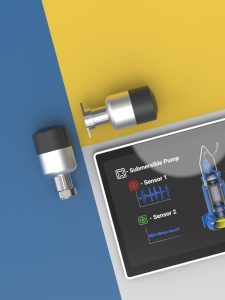
A complete picture of equipment health can only be revealed by capturing a continuous stream of data and using both analytical power and subject matter expertise to turn this data into actionable information. Centaur achieves this by combining digital vibration, temperature, and pressure sensors, cloud-based software, and the experience gained through 50 years of developing aftermarket solutions for rotating equipment.

A critical piece of Centaur’s ability to reduce users’ cost of asset ownership and avoid unnecessary downtime is its dedicated engineering team, who provide proactive monitoring oversight, monthly health reports, and advanced analytical support. These rotating equipment experts perform root cause analyses of concerning trends and alarm events, which include recommended action steps to remediate suspected issues long before they become costly failures.

The Difference

In contrast to traditional IOT companies, Centaur was developed with the input of rotating equipment experts. As an unbiased presence in the aftermarket, Hydro has amassed experience over a broad spectrum of manufacturers, designs, and applications.

This expertise influenced hardware and software design, ensuring that Centaur is capable of effectively detecting and identifying known equipment failure modes. Some examples include the measurement of phase data and a frequency range capable of detecting bearing fault frequencies.

How it Works

The Benefits

  • Increased accuracy: Provides more precise pressure readings, maintaining safe and efficient operations.
  • Greater data collection frequency: Allows creation of detailed pressure profiles and trends, supporting identification of anomalies that indicate potential issues.
  • Increased worker safety: Eliminates need for workers to access dangerous or hard-to-reach areas and provides earlier warning of potential safety issues.
  • Predictive maintenance: Enables condition-based maintenance by tracking performance degradation over time.
  • Cost savings: Reduces cost of equipment ownership by preventing potential issues and reducing downtime.
  • Trending efficiency: Detecting and trending performance degradation facilitates more informed decisions on equipment operation and maintenance.

Ready to learn more about Centaur? Contact us or apply for a free trial.

IIOT software service presentation

7 Key Steps on Your Connected Plant Journey

With the advent of machine learning, great strides have been made in using Industrial Internet of Things (IIoT) technology to drive smarter and more efficient plant operation and maintenance. But how do you start on this connected plant journey and what is the ultimate destination?

Starting the process of implementing new technologies can be intimidating, but you don’t have to venture out into the digital frontier alone. This article maps out the journey from initial data collection to system optimization and points out some important guideposts along the way.

  1. Collect More Data, More EfficientlyThe first step for developing a connected plant may sound basic, but it is essential for everything that follows. Collecting the right data at high frequency intervals is the cornerstone of moving your plant into the digital world. Minimizing the time between collected data points and ensuring that your hardware has a range capable of detecting all failure modes will provide greatly improved line of sight to transient events and incipient problems.Collected data connects both artificial intelligence and human intelligence with monitored equipment. Data needs to be stored and analyzed in an environment where it is accessible by internal and external subject matter experts. With cloud-based access to information and automated alerts sent through email or SMS, equipment owners no longer need to jump through hoops to get information on current equipment health.Route-based maintenance or “islands” of information are roadblocks on the connected plant journey.
  1. Integrate Information on Plant Operation

    Getting information on equipment condition is an important step forward, but to give this information perspective it is important to integrate it with data related to equipment design and operation. Collecting inputs such as vibration and temperature can help provide a clear picture of how the equipment is operating, but system data will help refine why it is operating this way.For example, inputting the original tested pump performance data can provide perspective on how much performance is degraded or how the operating point relates to the best efficiency point. Another example would be integrating information on plant load or flow control valve position; correlating system load with equipment behavior provides perspective on how operation is directly affecting monitored inputs.
  1. Predict Future Performance and ProblemsOnce data points are being collected at high frequency intervals and operating data is available, the groundwork is established to start becoming more predictive. Monitored inputs can produce a detailed picture of current condition. Correlating different operating modes with changes in observed data provides a basis for anticipating future behavior under varying conditions.In this phase, the analytical software used becomes an important factor as algorithms are finetuned to provide more accurate predictions. Actual outcomes are fed back into the software to provide validation of these predictions and train it to better interpret monitored information. On the human side, experience with equipment design, maintenance, and behavior are crucial for supporting the machine learning process. This human element is also critical in assessing risk based on predictions supplied by the software.
  1. Detect Anomalies Instead of Blind AlertsWhile automated alerts are a good first step in making your digital resources work for your maintenance strategy, considerable value is realized when your system can differentiate anomalies from expected behavior. This requires training AI-driven software to recognize “normal” equipment behavior.A pump may exhibit high vibration from its commissioning and frequently exceed recommended alarm values- but this behavior does not necessarily represent a maintenance concern. Conversely, equipment with a smooth operating history that suddenly exhibits a vibration spike indicates a problem even if that vibration does not reach the set alert boundary.Separating anomalies from steady trends will greatly improve identification of incipient problems so that actions can be taken before substantial damage occurs.
  1. Diagnose Root Causes with ConfidenceOnce the software can classify different types of behavior, it can be taught what failure modes are associated with that specific set of observed conditions. This is another area where having a subject matter expert support software development is very important. With expert input, the software can learn to recognize patterns in the monitored data and suggest possible failure modes as they develop in real-time.When monitoring software reaches the point where it can intelligently diagnose events, it provides the plant with actionable information. Instead of starting a root cause investigation with a blank sheet of paper, you can quickly perform validation steps for suspected failure modes. This can significantly shorten downtime caused by equipment unavailability.
  1. Get Proactive and Eliminate Potential Problems
    Centaur Sensors
    With the software’s advanced diagnostic capabilities trained, the output can be used to develop a proactive approach to maintenance. When failure modes are recognized, engineered solutions can be developed to extend equipment life. After solution implementation, the software can analyze the efficacy of the fix and continue to monitor equipment condition to make sure that new failure modes were not introduced.Innovative methods of monitoring or analyzing the data can be used to further understand and trend the health of the system. For example, instead of just monitoring vibration, parameters can be measured that allow the software to calculate efficiency and correlate this to changes pump wear ring clearance. By trending more sophisticated values, your plant can get closer to the monitoring the causal factors of degradation rather than just measuring their effect.
  1. Optimize Design and OperationThe end of the connected plant journey is an optimized approach to maintenance, operations, and engineering. Developing technology that does the bulk of the processing and analytics frees up our human resources to focus on what they do best- using their experience and insight to interpret grey areas, assess risk, and plan ahead.With a proactive maintenance plan, equipment condition can be trended and maintenance intervals extended by making changes that positively affect equipment health.On the operations side, understanding efficiency can inform decisions of what machines to run in parallel. Being able to operate the most efficient piece of equipment will result in energy savings, directly reducing the cost of operation. Historical data can also be used to optimize the combination of equipment being run at different plant loads.Plant engineers can use the connected plant output to take a deeper look at their systems and determine if the original design still suits current operation. Equipment design can then be optimized to provide operation that is safer, more efficient, and more reliable.Lastly, a well-developed IIoT strategy will help equipment, equipment owners, and subject matter experts stay connected to the data and to each other, optimizing communication and flow of information.


Wireless Condition monitoring, the perfect combination of man and machine. Where human experience and secure machine data collection create a long-term strategy for your operation. Beyond basic data trends machine health, take a chance at Centaur for your rotating equipment. Apply for a free trial today.

Note: This article was originally published on bicmagazine.com.