
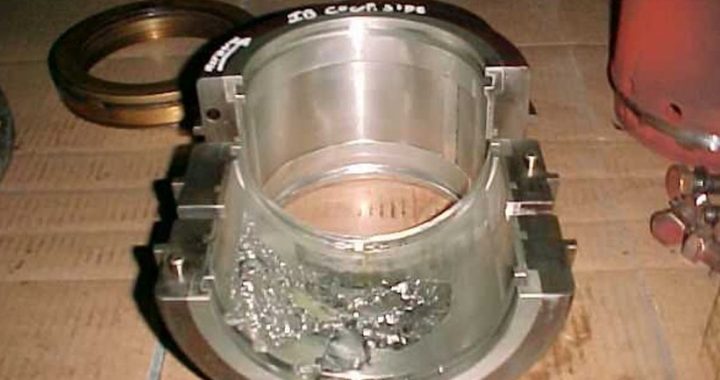
In December’s webinar, instructor John Neely discusses common pump failure modes, sharing real-world case studies and insights on identifying key issues during equipment health reviews, with lessons learned from as-found conditions and site-specific challenges.
Tag Archives: field service

Troubleshooting Boiler Feed Pump Problems in the Field
Feed pumps are an essential piece of the steam cycle and their performance directly impacts the ability of the plant to produce power. As a complex component moving high-temperature, high-pressure fluid, maintaining critical fits and tolerances during construction and refurbishment is essential. It is equally important to ensure that field assembly and installation is performed with experience and precision.
 Using experienced technical field advisors (TFAs) when performing field work is even more critical as equipment ages. During a typical lifetime, equipment will undergo multiple refurbishments that may change the dimensions of the internal element, casing, and discharge head. For BB5 pumps, commonly referred to within the industry as barrel pumps, the barrel usually remains installed in the system and is not sent out with the internal element and head for refurbishment. As the installation settles, foundation degrades, and components undergo repeated thermal expansion and contraction, this barrel can lose some of its dimensional integrity.
 One of the greatest pitfalls in performing a successful field installation is blindly trusting the installation and operation manual (IOM) supplied with the equipment. While this document provides useful guidance, any component changes that have occurred, both intentional and unintentional, are not reflected here. It is also important not to presume that pumps running in parallel have identical barrels or that internal elements are interchangeable. Instead of falling victim to these assumptions, best practices include completing a field dimensional analysis.
The value of capturing and recording critical data was proven during a complex boiler feed pump project at a coal-fired power plant. This project also highlighted the importance of adaptability and being able to react quickly to changing circumstances when performing fieldwork.
Read the full case study in Pumps & Systems February 2025 digital edition.
Learn more about Hydro’s Field Service capabilities here.

Facility Spotlight: HydroTex Dynamics
HydroTex Dynamics was founded in 1979 to meet a growing need for aftermarket service in the Houston area. By focusing on quality workmanship and cultivating strong relationships with customers, HydroTex Dynamics has become recognized as a premiere service location not only in the Houston area, but across the US. As an independent, they have expertise across OEMs and applications, with a strong focus on the power market and high-energy multistage pumps. The experience base and library of upgrades they have built support customers in increasing the reliability and life of critical equipment.
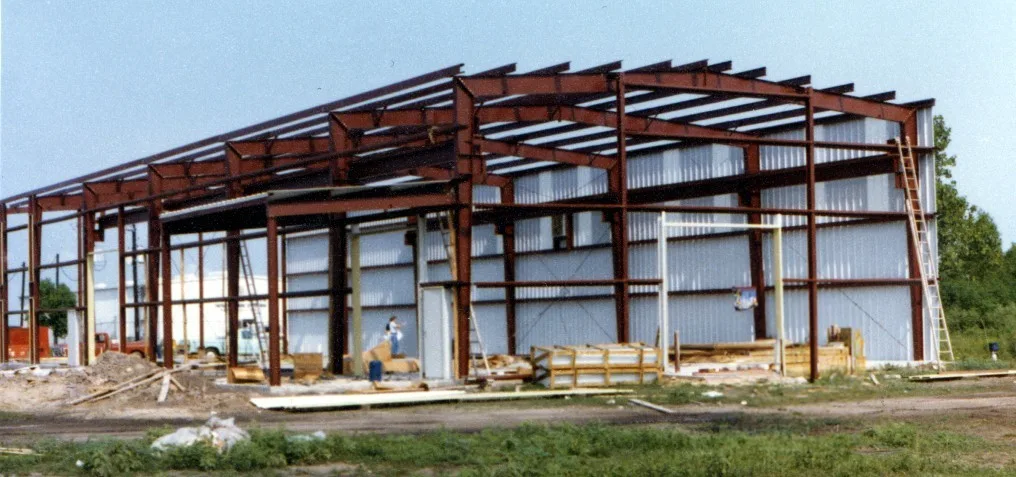 One of the key milestones in HydroTex Dynamics’ development was the time spent with Dr. Elemer Makay in the late 1980s and early 1990s perfecting the radial gap modifications (commonly known as A Gap, B Gap, and C Gap) on multistage diffuser-style pumps. Dr. Makay was a pioneer in battling impact loading and discharge recirculation in multistage pumps, failure modes that had historically caused high vibration, premature wear, and shaft failures for this equipment. He partnered with Jim Shaffer, founding partner of HydroTex Dynamics, in applying modifications that would combat these failure modes to drastically improve mean-time-between-repairs.
The radial gap modifications were applied to high energy boiler feed pumps across several Texas utilities with great success and are now regarded as a standard design for new boiler feed pumps. HydroTex Dynamics’ experience working with Dr. Makay on this modification provided them not only with an important understanding of factors that affect pump reliability, it also inspired a culture that paid attention to the many small details that add up to a smoothly running piece of equipment. This understanding has driven the service center’s high standards, including strict tolerances for critical geometries and balance, best-in-class assembly procedures, including a pit for assembling multi-stage pumps vertically, and an in-depth dimensional analysis that is the crucial first step in establishing axial centerline compatibility of every impeller within its respective diffuser.
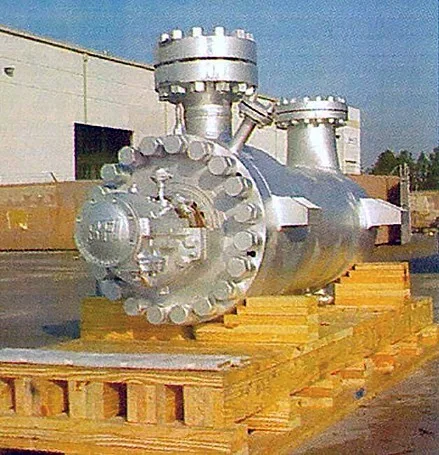 Under the leadership of HydroTex Dynamics’ VP, Pete Erickson, they have continued to build upon this foundation by investing in advanced tooling, developing experienced shop talent, establishing a responsive field service unit, and fostering deep customer relationships grounded in trust and transparency. In 1995, they purchased the Pacific BFI line of BB5 pumps for North America, adding to their experience base in high energy, multistage pumps. They have on-site capability to perform 5-axis machining and can supply milled vane impellers with an industry leading turnaround time. While not currently certified, they are ISO compliant and follow all ISO practices.
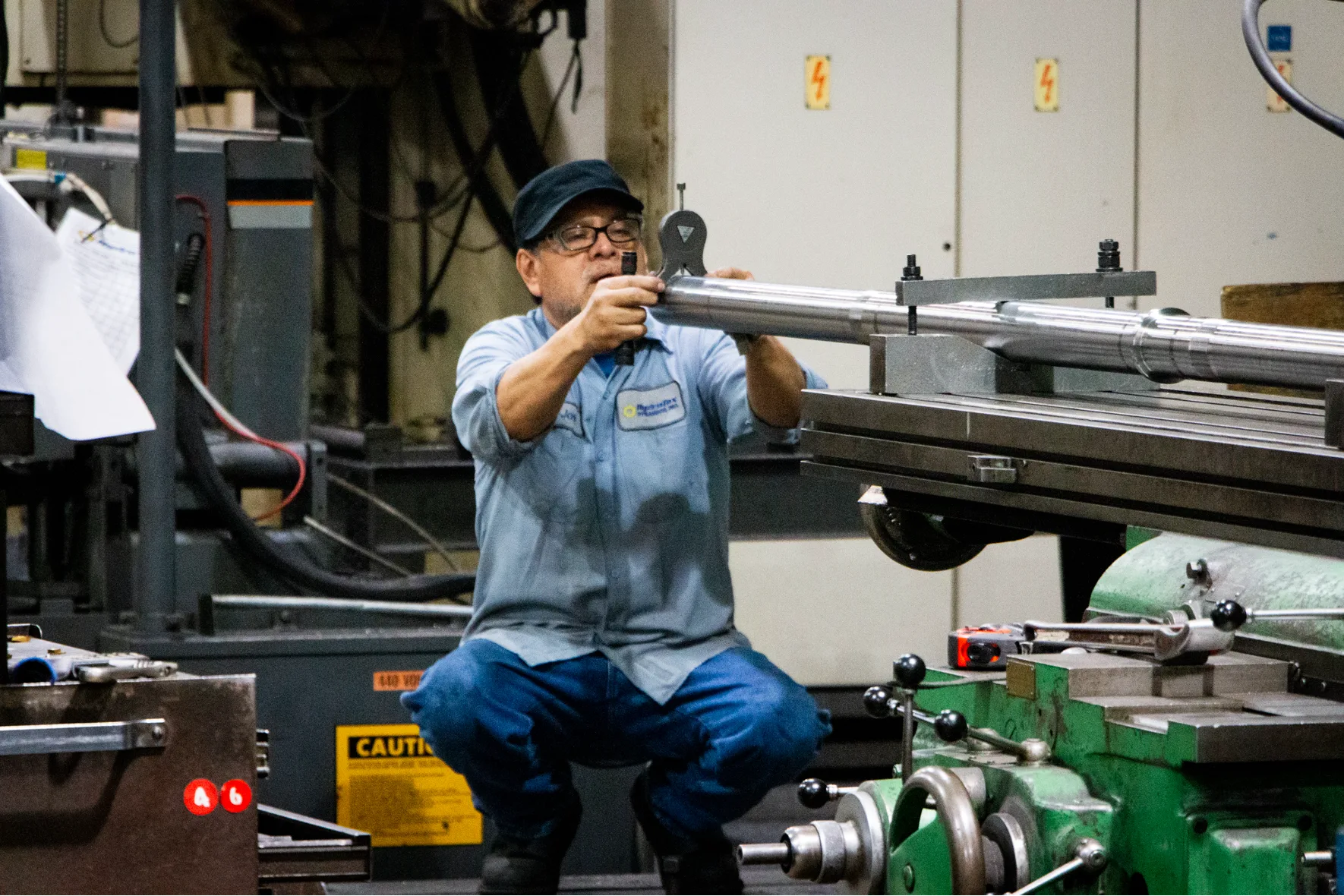
One of the greatest strengths of HydroTex Dynamics is its people. The majority of workers in the shop have been with HydroTex between 15 and 30 years. Their hard-won experience and commitment to excellence is a cornerstone of the superior reputation that the shop has earned. By prioritizing communication and understanding each customer’s needs, HydroTex Dynamics delivers on their promise to provide one source of total support to pump users.
Contact us to learn more about HydroTex Dynamics or explore our global network.

Capability Spotlight: Utilize On-Site Expertise
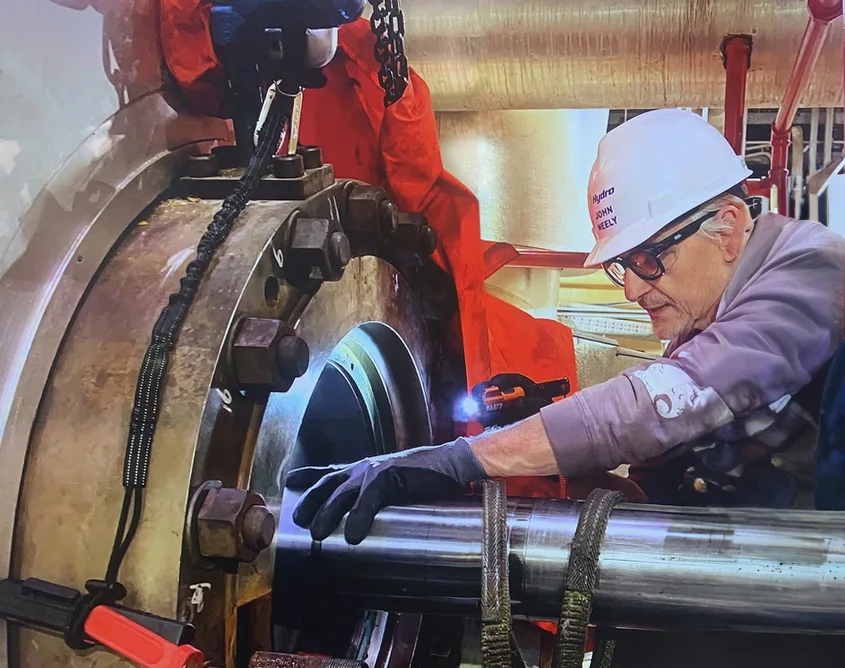
In the intricate world of industrial operations, pumps play a pivotal role. When a pump fails, it can disrupt entire production lines, leading to significant financial losses and safety hazards. Regardless of the quality of equipment construction or refurbishment, a proper field installation is critical to ensure reliable performance and achieve maximum life.
Unfortunately, the industrial sector is currently facing a significant challenge: the retirement of a large cohort of experienced workers. This exodus has created a skills gap, particularly in areas like field service. The expertise and knowledge these seasoned professionals possess are invaluable, and their absence can leave companies vulnerable.
That’s why partnering with a skilled and experienced field service team is critical.
Hydro’s field service technicians and technical field advisors (TFA) are highly knowledgeable professionals with experience over a wide range of pump applications, manufacturers, and models. This experience is a critical factor in ensuring that field projects are performed effectively:
- Hydro’s technicians are pump subject matter experts and have an extensive understanding of pump systems, their components, and common issues. This knowledge allows them to diagnose problems quickly and accurately.
- Experience has provided our field service technicians with the ability to think quickly on their feet and develop exceptional problem-solving skills. They can handle unexpected challenges, devise creative solutions, and minimize downtime.
- Experienced technicians are more efficient at their tasks. They know the best practices, processes, and tools to use, resulting in faster turnaround times without compromising the accuracy or quality of the field activity.
At Hydro, our on-site services team is comprised of subject matter experts in their field. Their knowledge across OEMs and industries is combined with Hydro’s extensive library historical data and global engineering support. It is also augmented by our field engineering division, which provides on-site performance and mechanical testing and troubleshooting. This powerful combination allows us to provide tailored solutions for your pump problems, enhance your reliability, and reduce your pump-related operating and maintenance costs.
Meet Hydro’s Technical Field Advisors:
Our Field Service Offerings
Hydro’s comprehensive field service offerings include:
- Installation and start-up
- Field machining and onsite welding
- Turnkey services
- Project management
- Vibration analysis
- Laser alignment
- Pump system troubleshooting
- Field engineering
- Emergency field response
- Hands-on training
Read more about how Hydro’s On-Site Services team has supported end user’s in the field with this case study from the Nuclear Power industry.
Contact us to discuss scheduling on-site support.
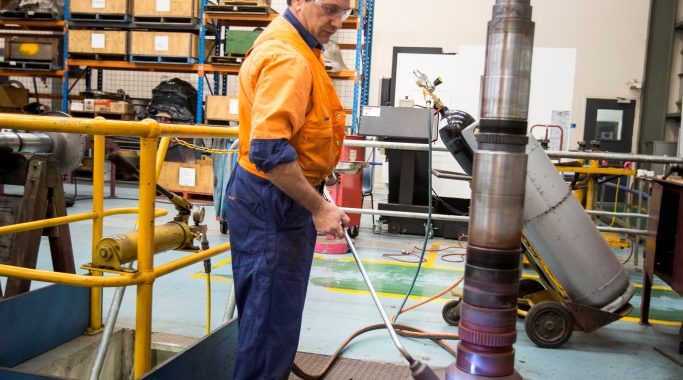
Hydro Australia Opens Pump Repair Service Centre in Darwin
Hydro Australia provides a wide range of reverse engineering capabilities and services
Hydro Australia, a Hydro, Inc. company, opened its new pump repair service centre this April, in Darwin. The service centre is located at 23 Beresford Road, Yarrawonga NT 830.
Open from 7:00 AM – 3:30 PM, this service centre joins a team of worldwide pump refurbishment centres. At Hydro’s Darwin location, customers can rely on engineers to help with a wide range of pump challenges.
Do you want to minimize downtime? Do you need engineering consulting? Would you like your pumps to run more efficiently? If yes, Darwin’s service centre is ready to support you with any, and all, pump issues.
For more information, contact Darwin’s Service Centre, at +61 0419 551 911 or visit them online at, hydroaustralia.com.au.
Introducing: Hydro Australia from Hydro, Inc. on Vimeo.