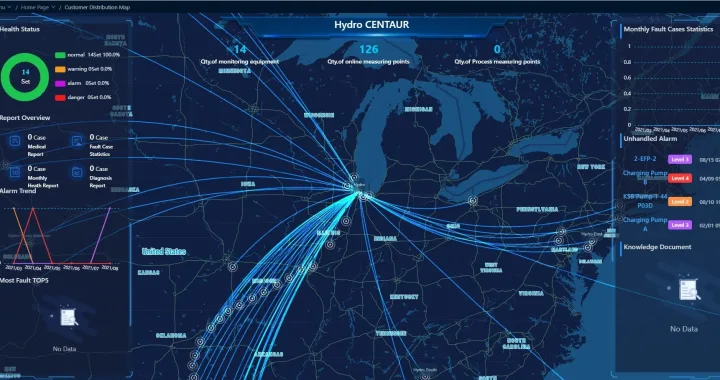
On June 4, 2024, Hydro’s Centaur team joined Chemical Processing for a webchat to talk about navigating the challenges of adopting new digital technologies.
The digital transformation presents both opportunities and challenges. As continuous monitoring becomes more ubiquitous, we are collecting exponentially greater amounts of data than ever before. At the same time, our industries are losing experience and facing reductions in manpower.
It’s natural to think that digital technologies could fill that gap, but many are realizing that without a thoughtful implementation strategy more data doesn’t always translate into greater reliability. During this webchat, we explored how to successfully implement condition monitoring technology to harness the power of data and drive effective decision making.
Some of the main discussion points included:
- What are the first steps for a successful digital implementation strategy?
- Quality vs quantity: How do we ensure that the data collected is meaningful and useful?
- What resources are needed to analyze and act on information?
You can watch the full webchat here.
Chemical Processing Webchat with Hydro from Hydro, Inc. on Vimeo.
To learn more about Hydro’s Centaur condition monitoring, visit our Centaur webpage or contact us with questions.
We understand that hands-on experience is important in making an investment in a new technology, and provide end users with “test drives” of our monitoring solution through a commitment-free 90-day free trial. Interested in trying it out yourself? Apply here.

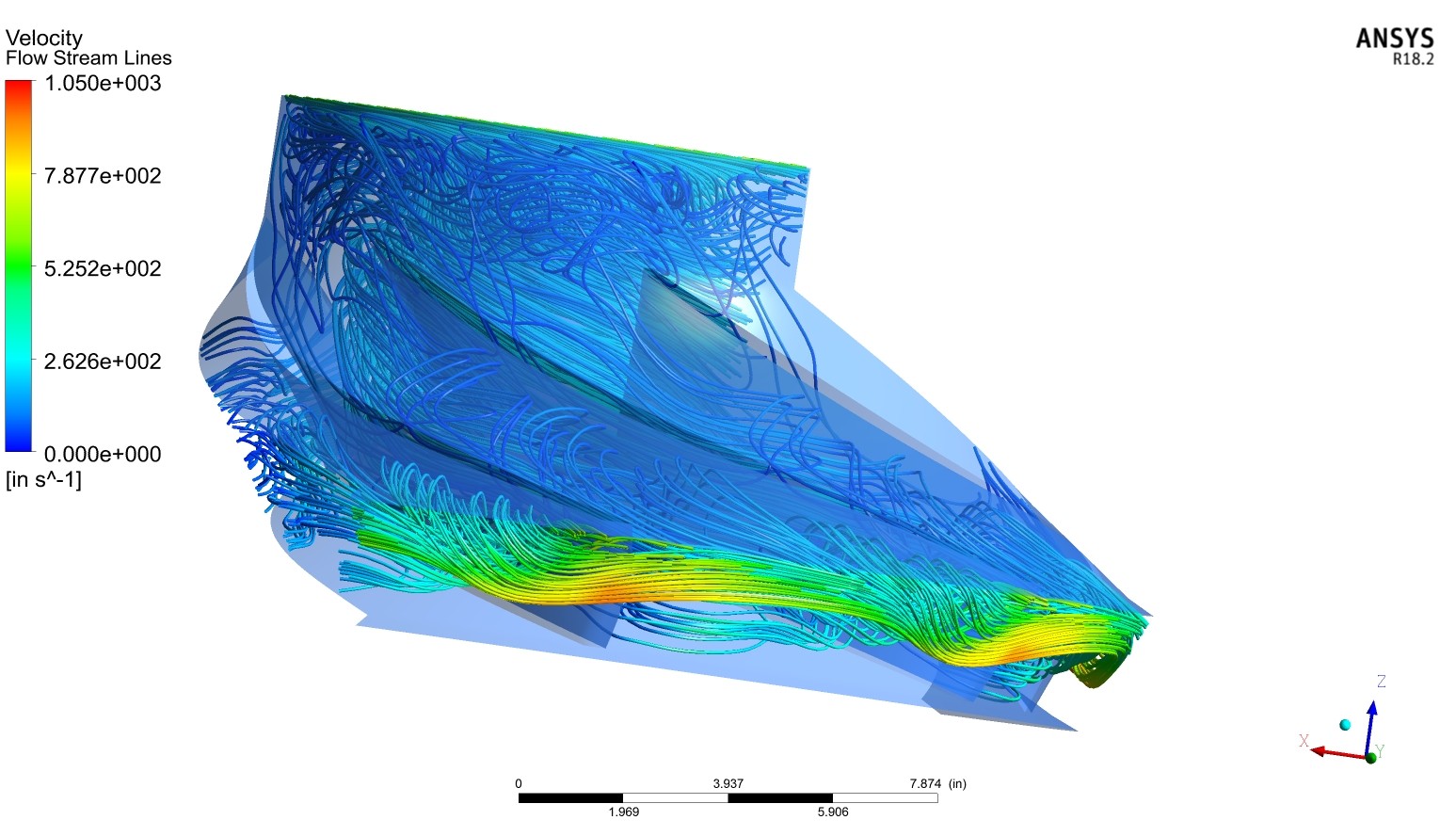 Many OEMs focus on the initial pump design and providing a higher peak efficiency. While this can provide energy savings, it misses some of the greatest gains available. With our history in developing solutions for the aftermarket, Hydro approaches energy efficiency differently. Our unique experience as a brand-agnostic company focused on end users’ existing installed equipment has provided us with insight into improving equipment performance by understanding how it operates as a part of the greater system. This has allowed us to provide significant energy savings for our partners, as shown in successful cases such as
  Hydro’s Energy Edge program takes advantage of our in-house engineering, field testing, remanufacturing, and parts capabilities to provide an end-to-end solution to improve energy usage and reliability. The process starts with getting the necessary design and operation data to perform a comprehensive analysis of current performance and identify opportunities for improvement. Depending on the findings, solutions can range from system operations recommendations to hydraulic modifications to a completely redesigned drop-in replacement. By providing a custom solution instead of an off-the-shelf replacement, Hydro not only optimizes performance, but minimizes cost, lead time, and risk by ensuring that the solutions fits into the existing equipment footprint.
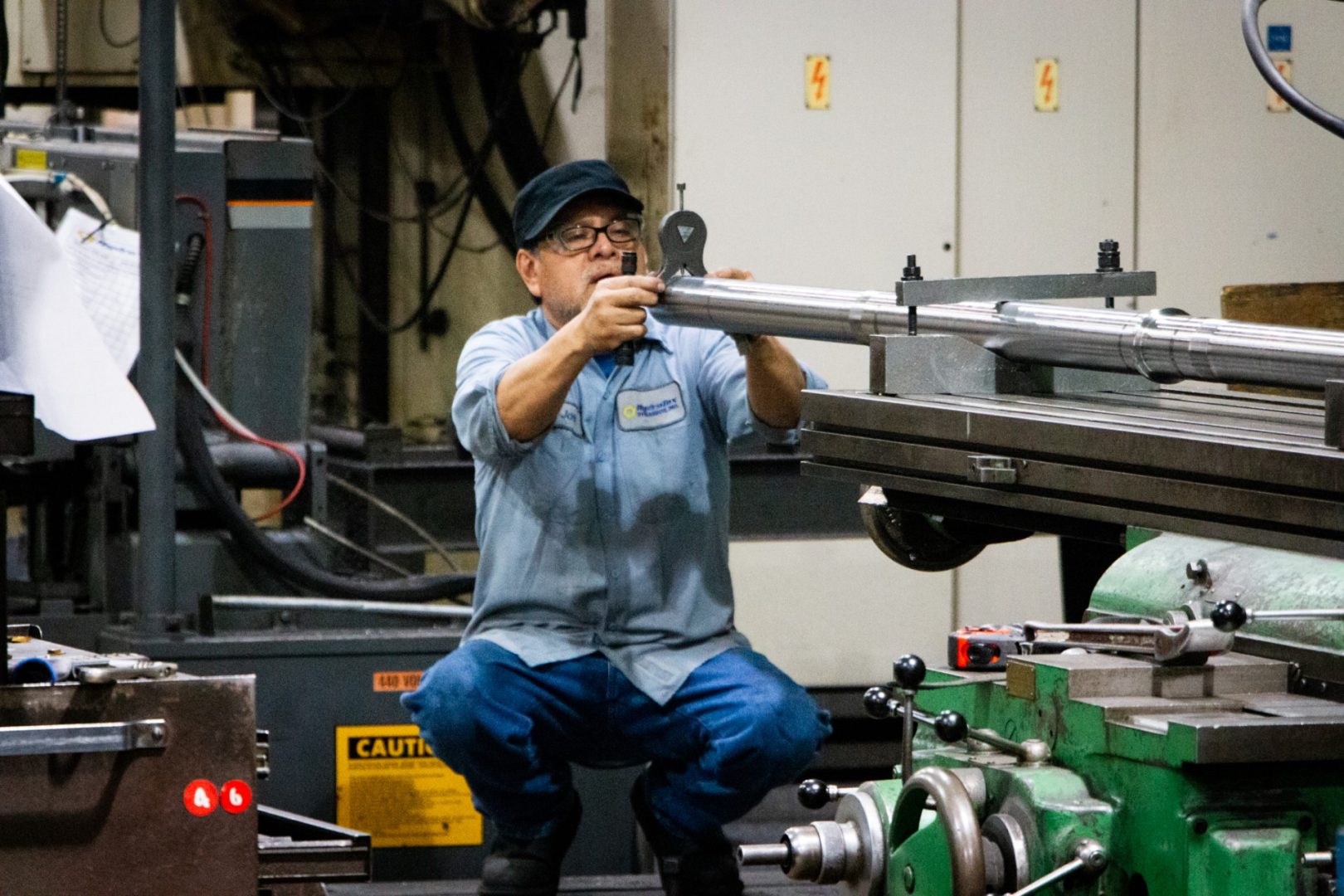 Hydro specifies machining and fit-up tolerances that often exceed the required industry standards and are best-in-class for the pump industry. Taking the extra time to meet more stringent tolerances ensures better concentricity and parallelism of critical components, reducing the risk of contact between the rotating and stationary elements during operation. Reducing component contact will result in reduced vibration and reduce the rate of wear for close clearance components. Maintaining design clearances greatly contributes to longer mean-time-between-repairs by providing greater stiffness and damping to the rotating assembly and reducing internal recirculation, which in turn affects performance and efficiency. To learn more about the importance of maintaining design clearances,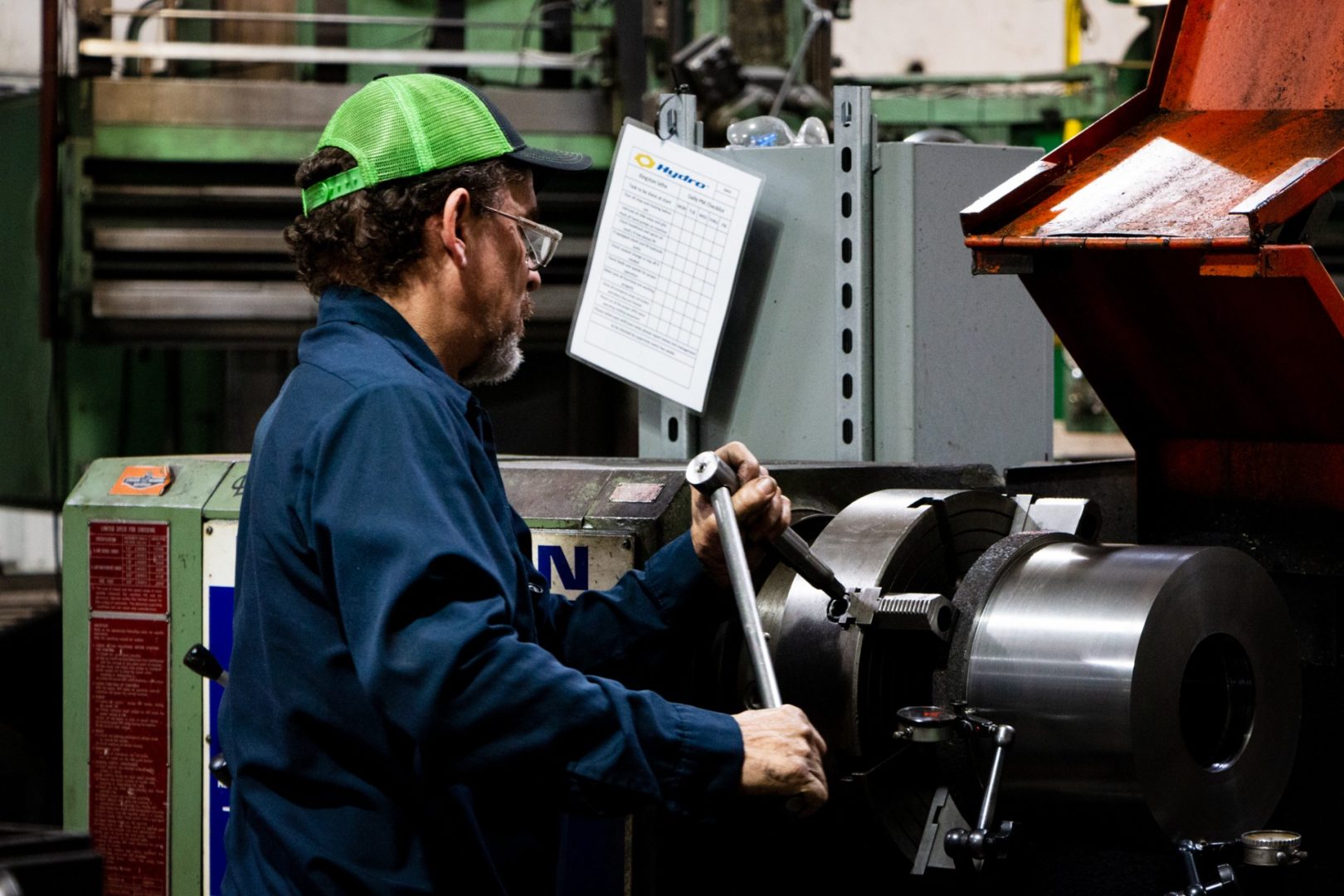
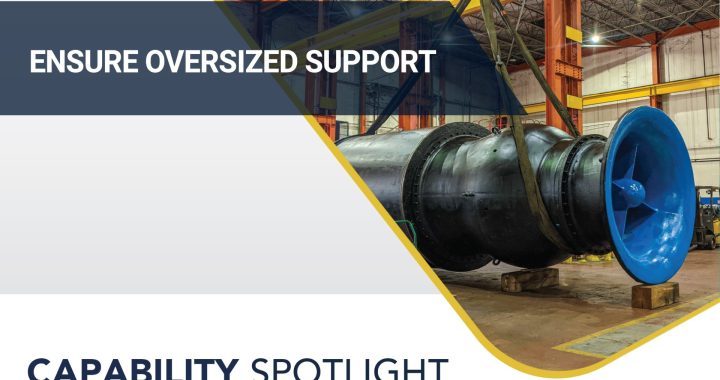
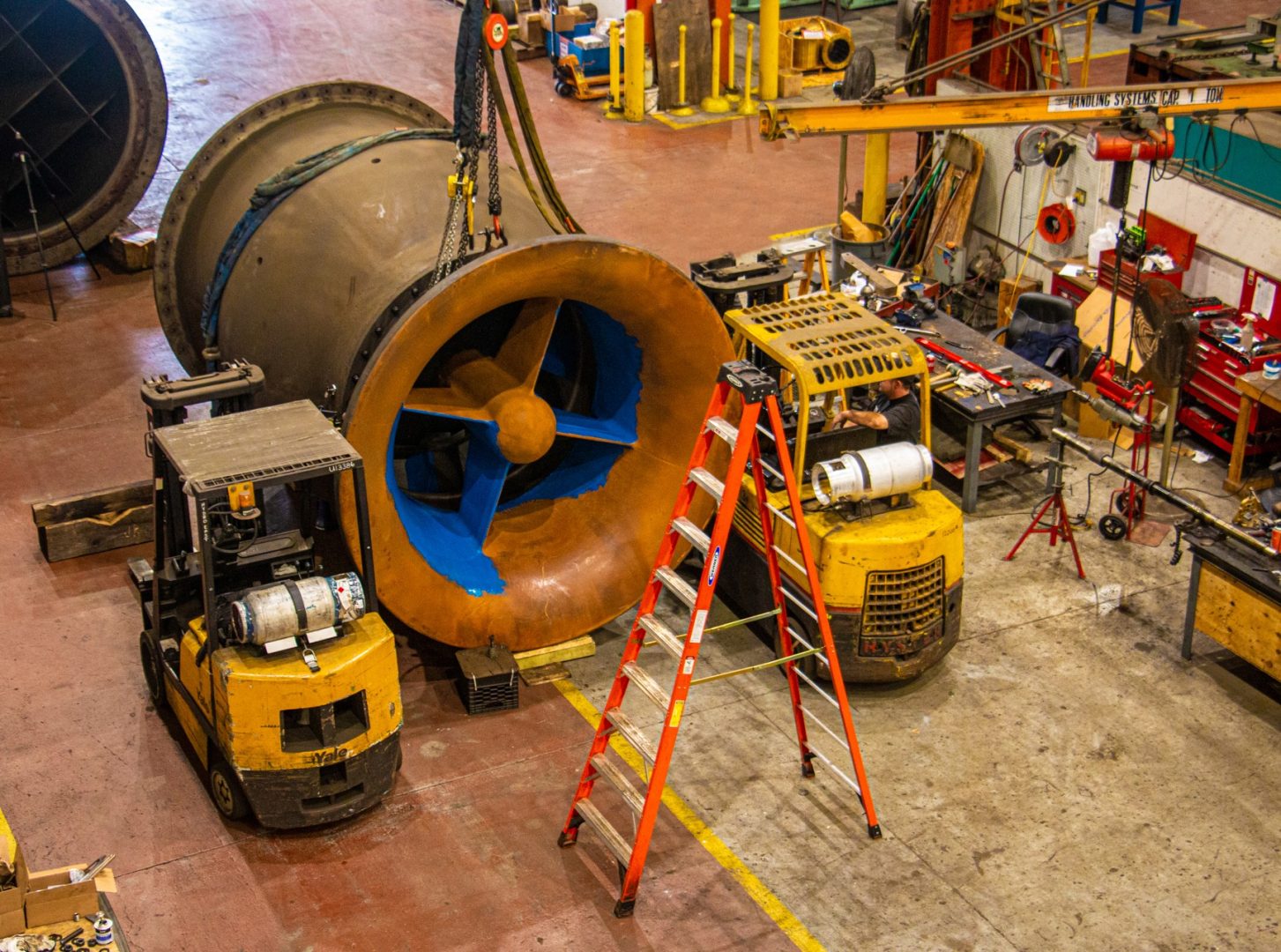 From lifting massive weights, to reverse engineering components with expansive surface areas, to troubleshooting vibration in machines susceptible to resonance problems, large vertical pumps have unique challenges. Fortunately, Hydro has cultivated specialized capabilities to meet these challenges.
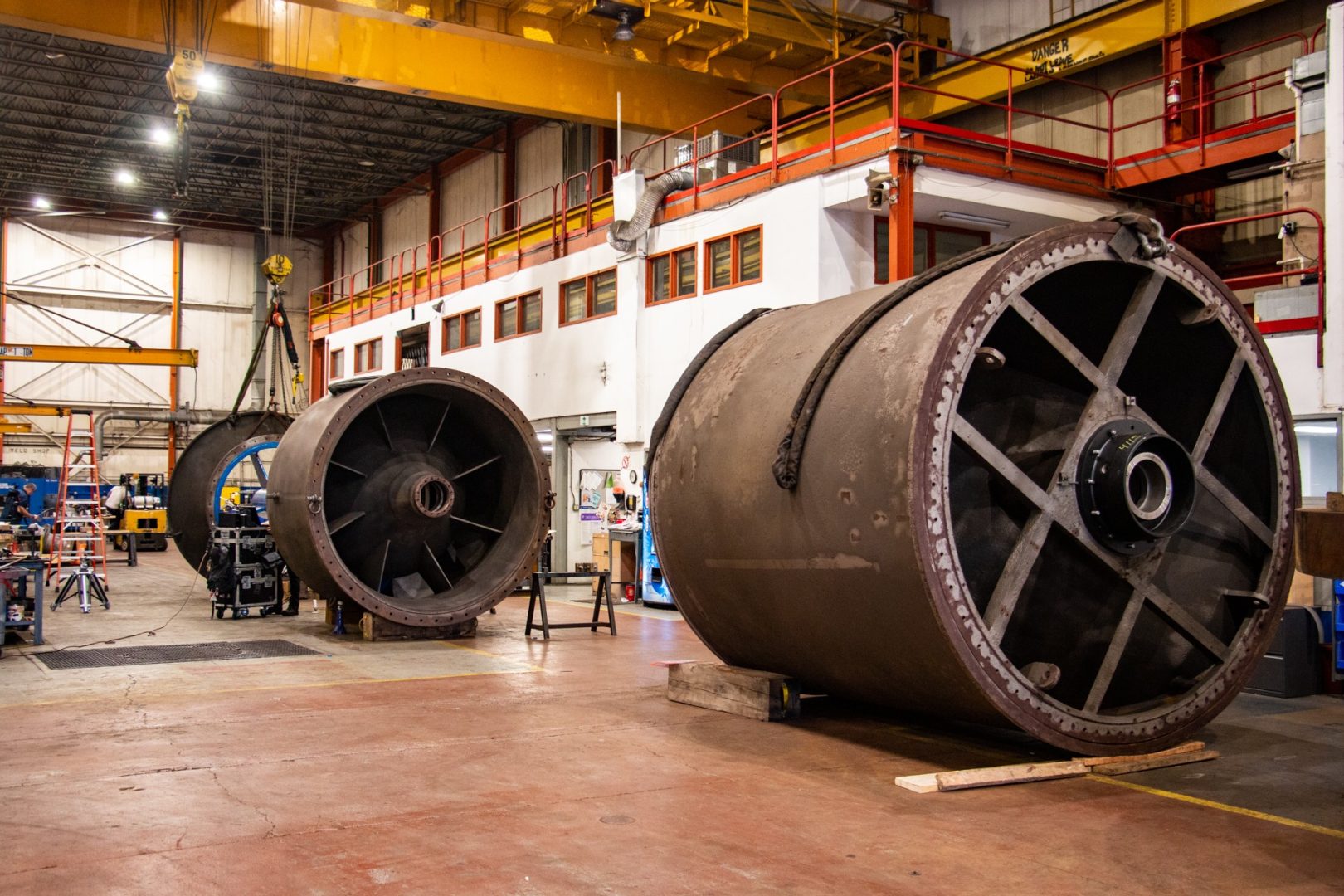 Another challenge when working on large pumps is that they require a shop with the appropriate tooling and lifting capacity. It also requires a team dedicated to providing a higher standard of repair. Because vertical pumps are made of several stacked components, maintaining tight tolerances and best-in-class fit-ups is critical for reliable operation. Hydro’s standards are more stringent than those required by any industry body. This translates to longer life, better performance, and safer operation.