

Hydro’s Glen Powell joined Plant Services’ chief editor Tom Wilk to talk about the evolving challenges of workforce development in the maintenance and reliability space. The conversation also touches on the role of emerging technologies like AI in reliability workflows and dives deep into vibration analysis, including its limitations and advanced applications for diagnosing issues like resonance.
Key Takeaways
- Formal training alone isn’t enough—intentional, hands-on experience accelerates workforce readiness.
- Bridging generational gaps requires clear career paths and trust in leadership follow-through.
- AI tools should support, not replace, critical thinking and field expertise on the plant floor.
- Modal analysis and motion amplification are powerful tools to diagnose and fix elusive resonance issues in aging equipment.
You can listen to the podcast below or browse all of Plant Services’ Great Question podcasts here.
Want to expand your knowledge? Explore Plant Services magazine or read our case studies focused on Hydro’s work in troubleshooting and vibration analysis.

 In-depth field testing paired with computational analysis provides a clear path to both an accurate diagnosis and a solution that has a high likelihood of success. The effectiveness of this methodology was proven for a Gulf Coast midstream company who was experiencing high vibration with their vertical freshwater pumps. By applying advanced field diagnostics, the end user was able to understand the underlying causes of the vibration and evaluate possible solutions in a theoretical environment prior to implementing them in the field.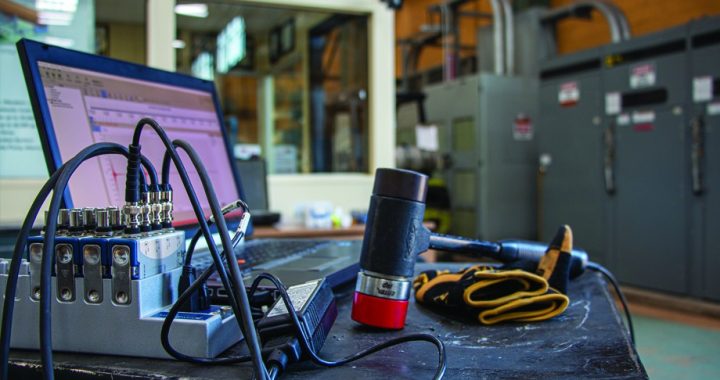

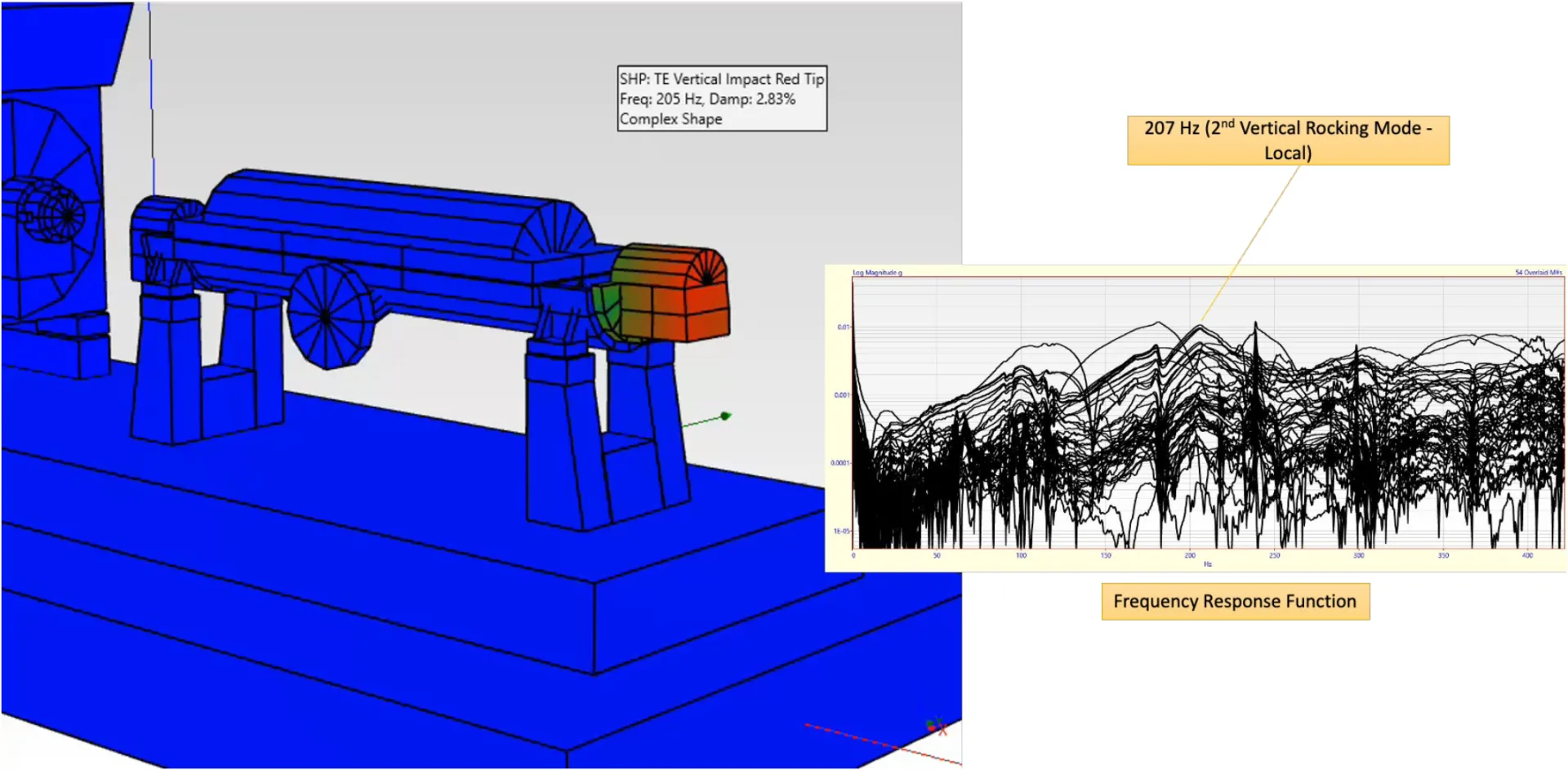 Many pump applications experience ongoing vibration and reliability issues; aging installations are also seeing margins between operation and resonant conditions eroding and previously reliable equipment being pulled into problems. The root cause of these problems is often resonance, a condition that is often misdiagnosed and commonly goes undiagnosed, resulting in persistent high amplitude vibration issues for long periods of time. Structural resonance typically results in highly directional vibration and increased amplitudes that can be difficult to resolve without the proper engineering approach. Fortunately, technology has developed to diagnose resonance and develop effective solutions without resorting to costly trial-and-error methods.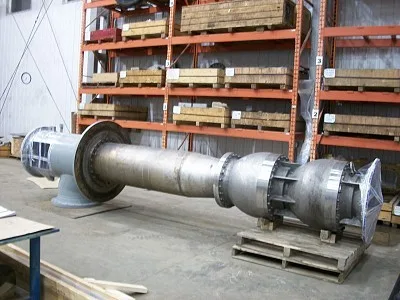
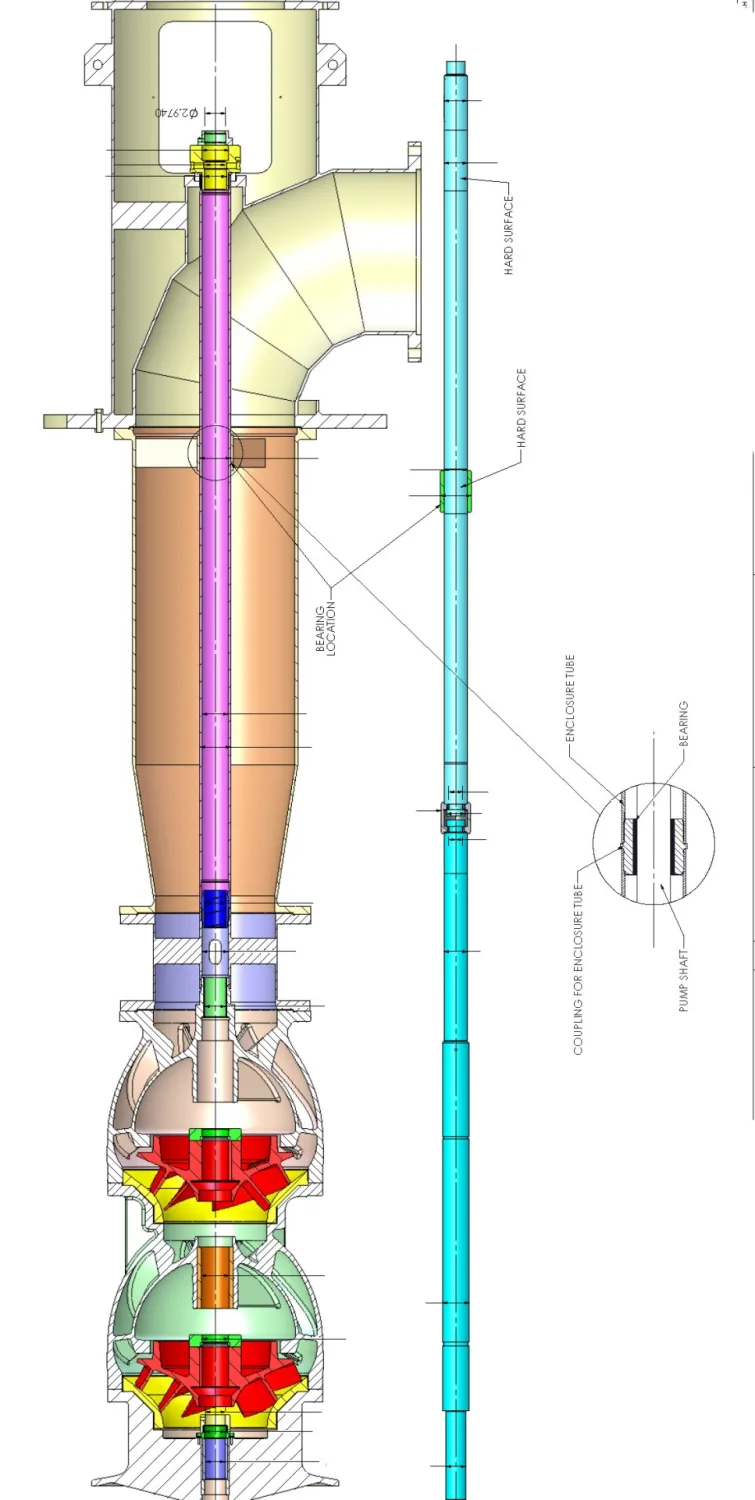 Industrial pumps are sometimes repaired or modified by smaller local repair shops that do not have the engineering oversight to ensure that the repairs and modifications meet the original design’s intent. When Hydro received this pump, it was clear that prior modifications that had been performed without engineering review were causing problems.